


Damp Proofing & Property Preservation FAQs
What are the signs of damp in a house?
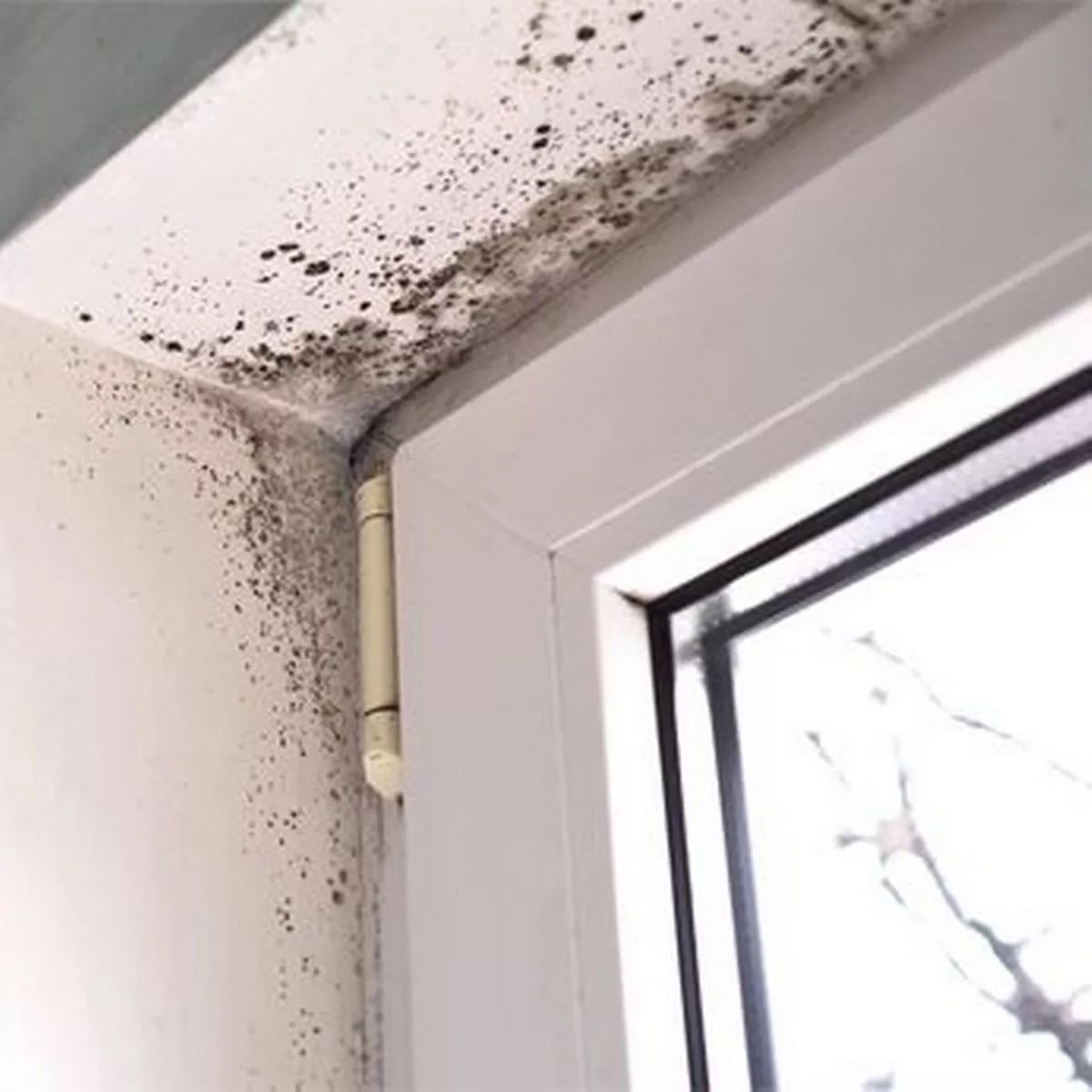
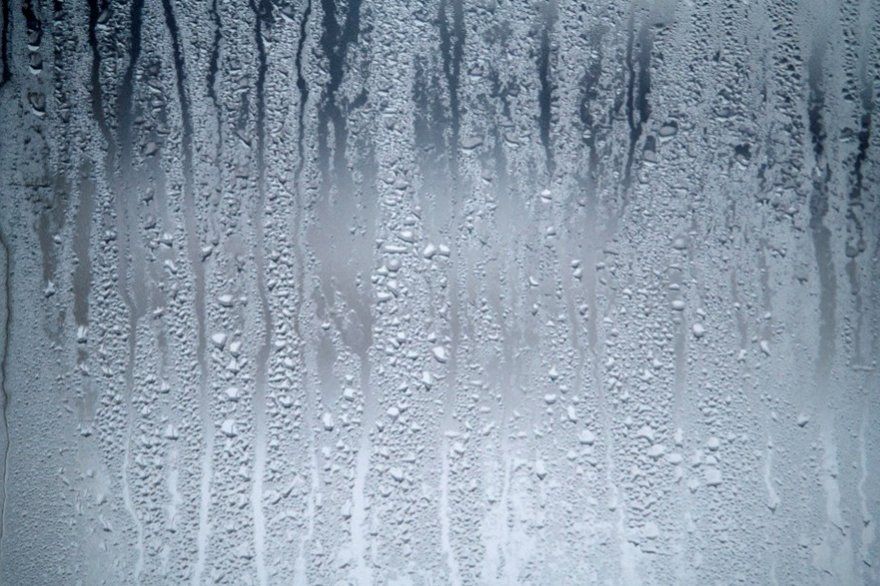
Common signs of damp include peeling paint, mould growth, musty smells, damp patches on walls, and crumbling plaster. You may also notice condensation on windows or dark tide marks along walls. Identifying the type of damp early can prevent further structural damage.
What causes rising damp in a property?
Rising damp occurs when moisture from the ground travels up through brickwork or masonry by capillary action. This usually happens when the damp proof course (DPC) is missing, damaged, or has deteriorated over time.
How is rising damp treated?
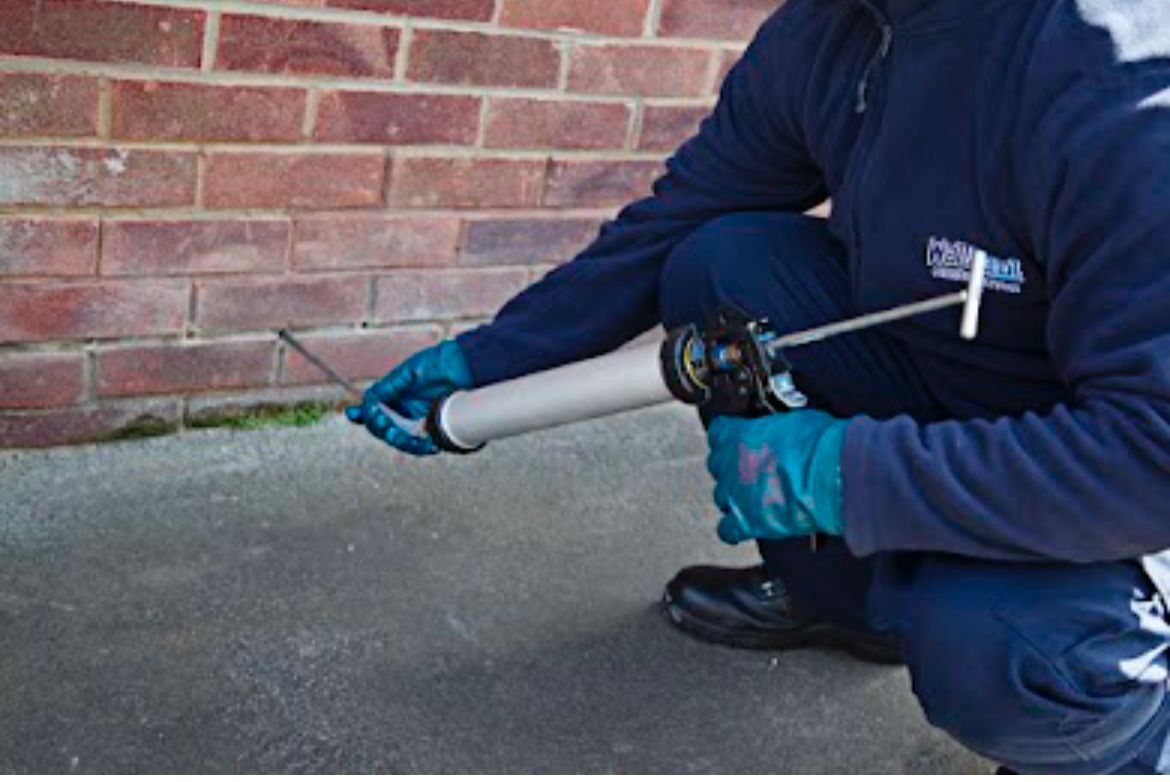
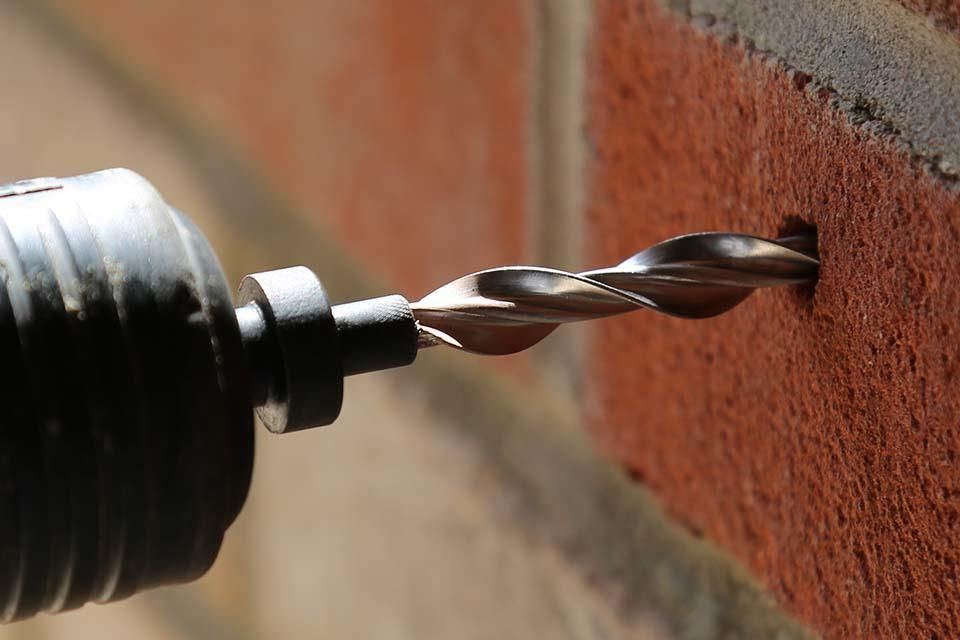
Rising damp is typically treated by installing a new chemical damp proof course within the affected walls. This creates a barrier that stops moisture from rising through the masonry. Damaged plaster is usually removed and replaced with a damp-resistant plaster system.
What is penetrating damp?
Penetrating damp occurs when water enters a property through defective brickwork, cracked render, leaking gutters, damaged pointing, or roof problems. Unlike rising damp, it can appear anywhere on walls or ceilings.
How do you fix penetrating damp?
Treatment involves identifying the source of the water ingress and repairing the issue. This may include repointing brickwork, repairing gutters, sealing cracks, or applying protective waterproof coatings to external walls.
What is woodworm and how do you treat it?
Woodworm refers to the larvae of wood-boring beetles that damage timber structures such as floorboards, joists, and roof timbers. Treatment usually involves applying specialist insecticidal treatments to affected timber to eliminate the infestation and prevent further damage.
How do I know if I have woodworm in my home?
Signs of woodworm include small round exit holes in timber, fine wood dust (frass), weakened wood, and visible beetles around timber areas. A professional survey can confirm whether the infestation is active.
What is dry rot and why is it dangerous?
Dry rot is a fungal decay that affects timber in damp environments. It can spread quickly through wood and even across masonry, causing significant structural damage if not treated promptly.
Can damp problems affect property value?
Yes. Damp issues can negatively impact property value and may cause problems during property surveys or mortgage approvals. Addressing damp and timber issues professionally helps protect the property and maintain its value.
Do I need a damp survey before treatment?
Yes. A professional damp survey identifies the type of damp problem, its cause, and the most effective treatment. This ensures the correct solution is applied rather than treating symptoms.
