



The Hidden Dangers of Mould: A Threat to 1 in 5 UK Homes and Respiratory Health
Unveiling the Hidden Threat: Mould's Impact on Respiratory Health in the UK
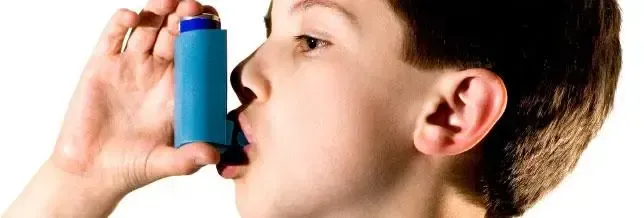
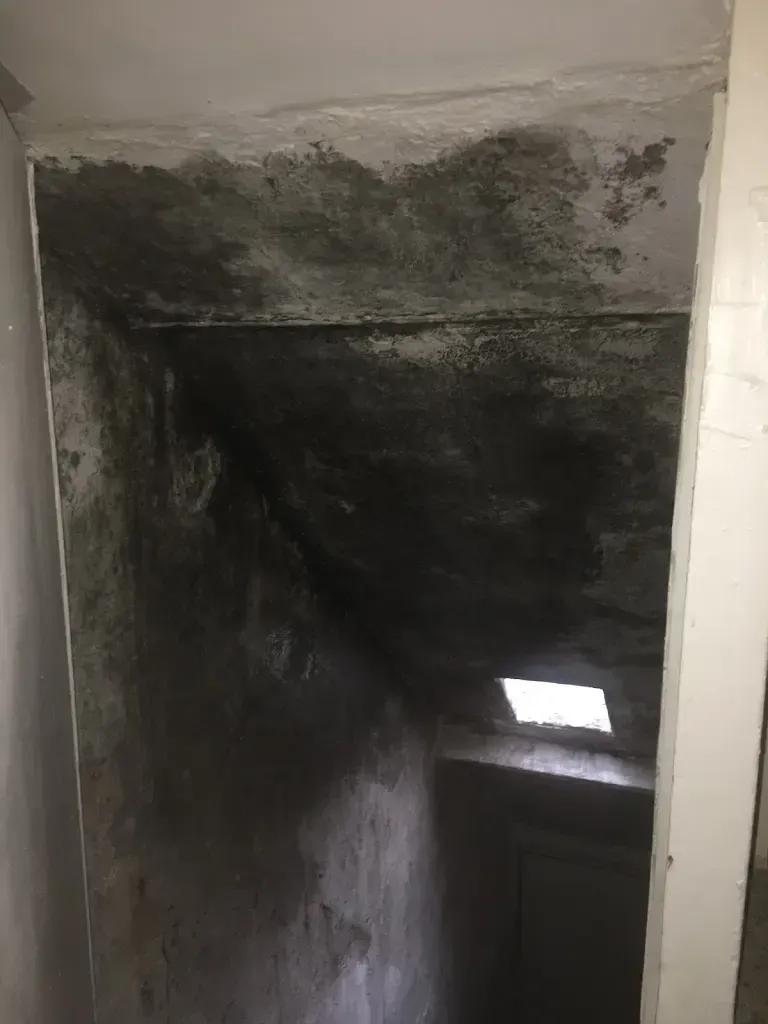
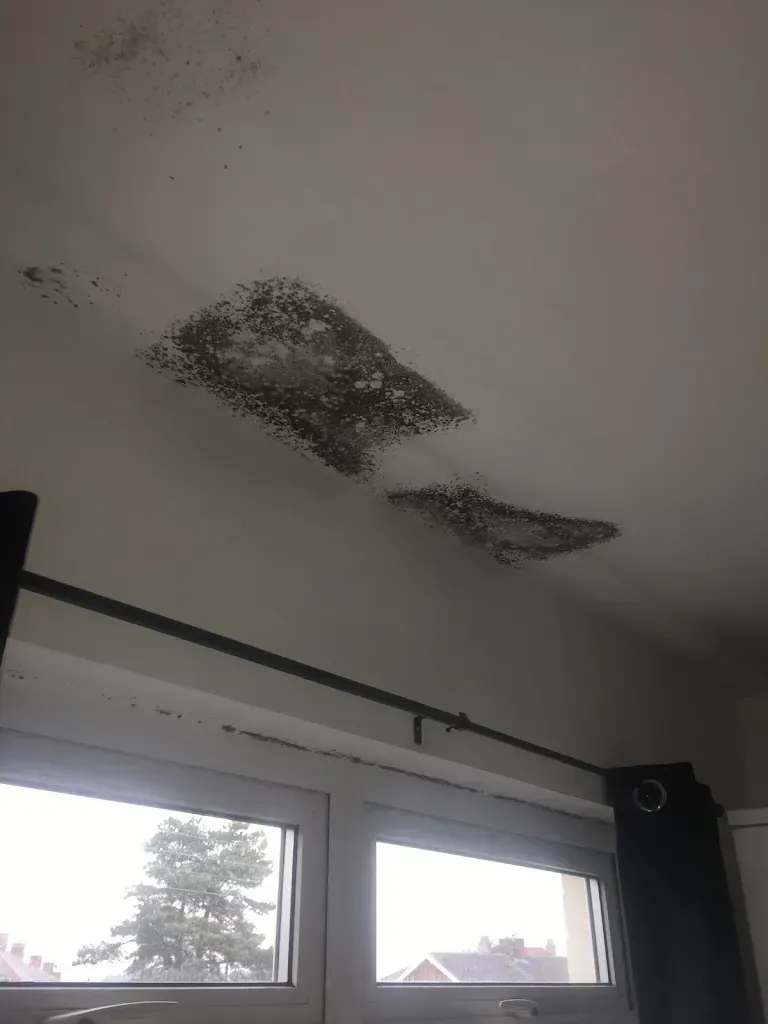
In the tranquil corners of our homes, lurking in the shadows, there exists a silent menace that can wreak havoc on our health and well-being: mold. Unbeknownst to many, mould is a common problem in households across the United Kingdom, affecting approximately one in every five homes. Besides its unsightly appearance and pungent odor, mould poses serious risks to respiratory health. In this blog post, we will explore the dangers of mould, its prevalence in UK homes, and its impact on our respiratory system.
Understanding Mold
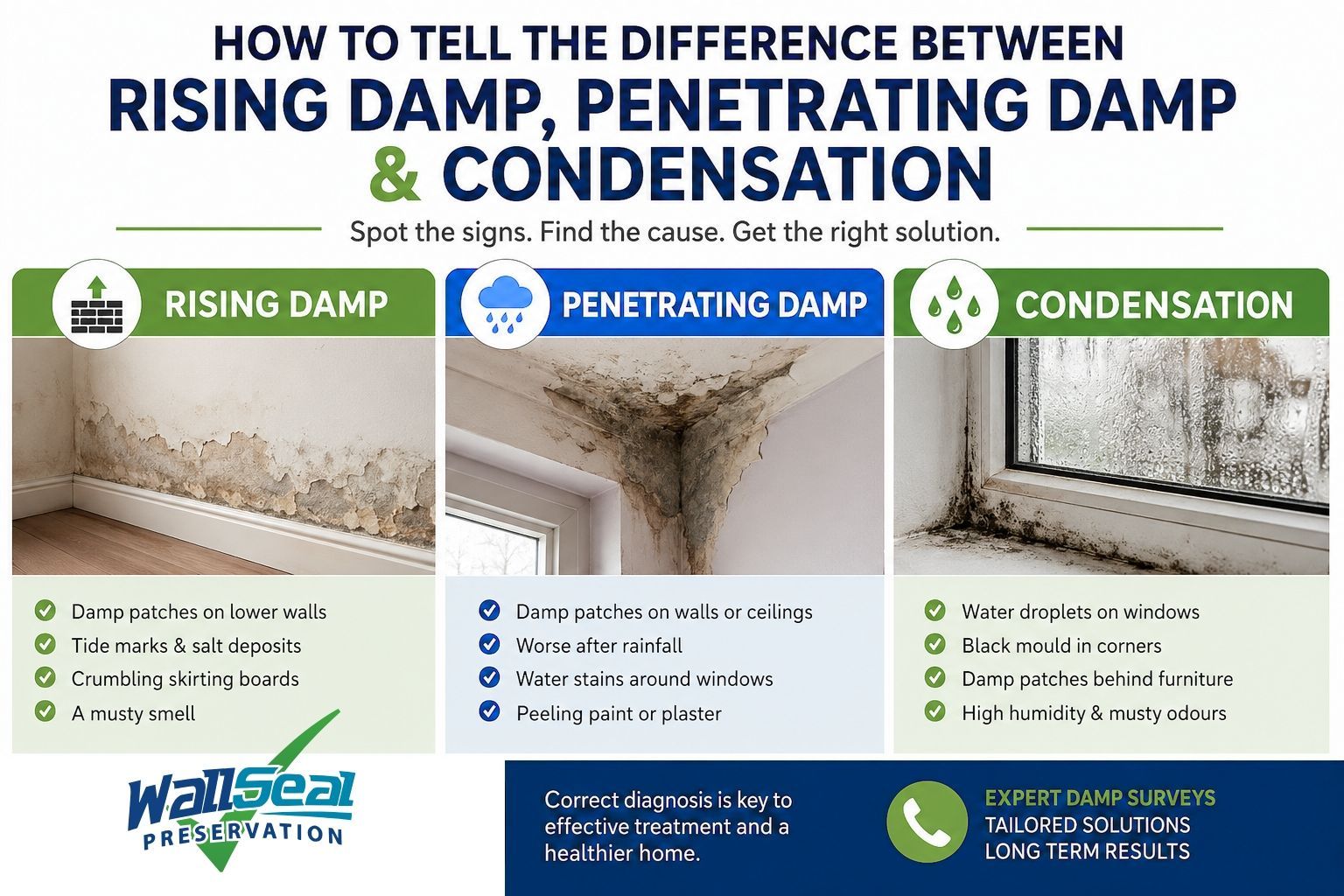
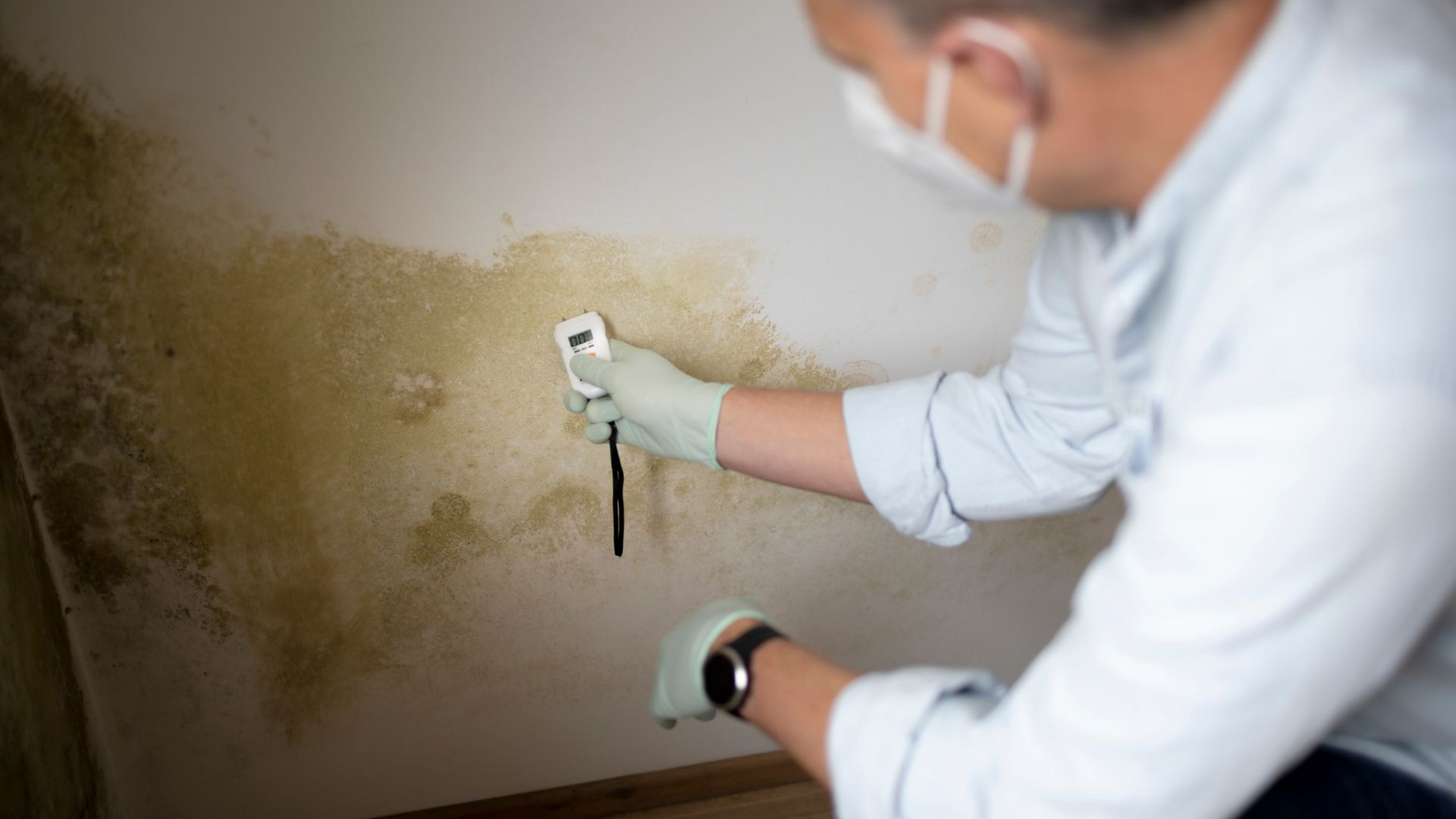
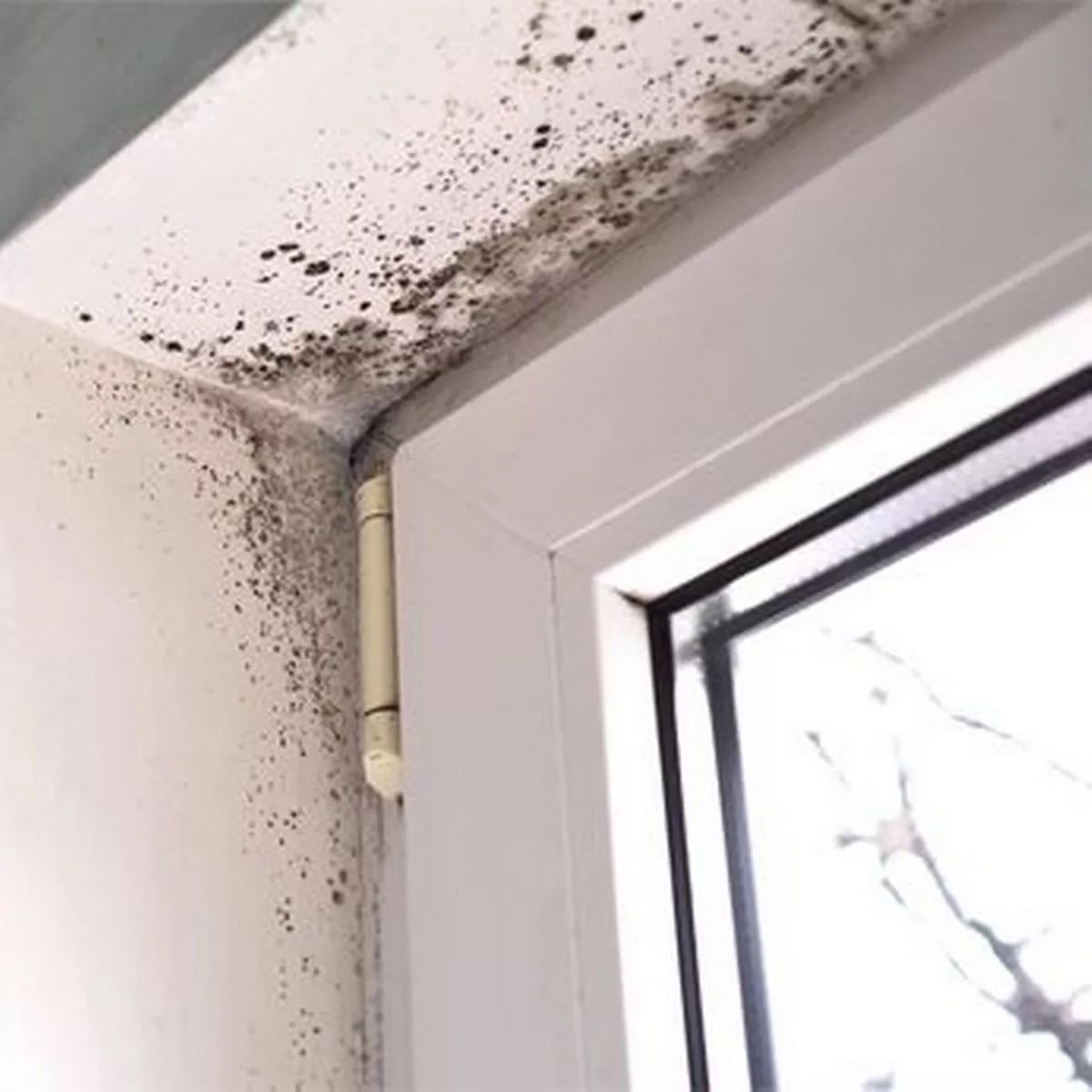
Mould is a type of fungus that thrives in damp and humid environments, making our homes an ideal breeding ground. It reproduces by releasing spores into the air, which can settle on various surfaces and grow into colonies. These colonies can appear as discolored patches, often black, green, or brown, and give off a musty odor.
Prevalence in UK Homes
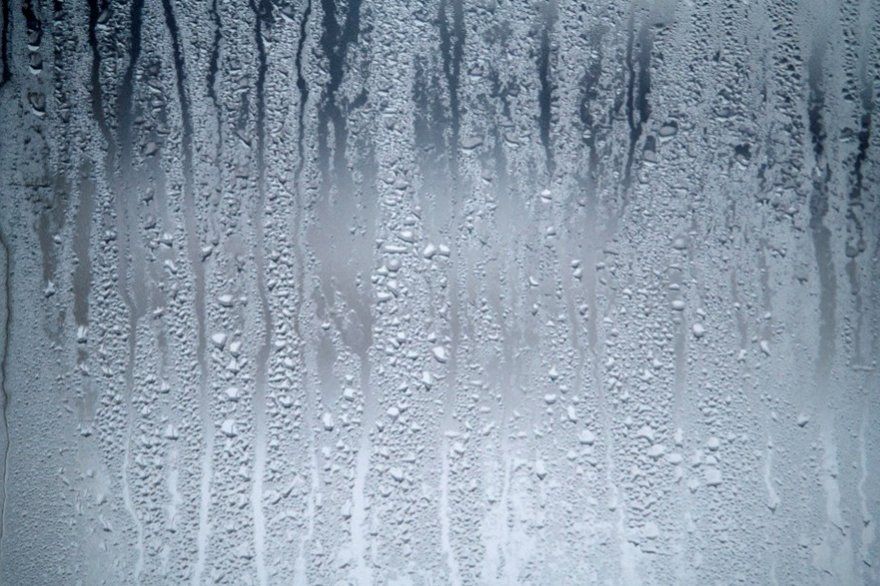
Recent studies have revealed the alarming truth that mold affects approximately one in five homes in the UK. Factors such as poor ventilation, water leaks, condensation, and high humidity levels contribute to the growth of mould. Older properties with inadequate insulation and insufficient maintenance are particularly vulnerable. Additionally, changes in weather patterns, leading to increased rainfall and flooding, have exacerbated the issue.
Respiratory Health Risks
The presence of mold in our homes poses significant risks to our respiratory health, particularly for individuals with allergies, asthma, or weakened immune systems. Mould spores can be inhaled and cause a range of health problems:
- Allergic Reactions: Mould spores act as allergens, triggering allergic reactions in sensitive individuals. Symptoms may include sneezing, coughing, itchy or watery eyes, and skin rashes. Prolonged exposure to mould can lead to chronic allergic conditions, such as allergic rhinitis or bronchial asthma.
- Asthma Aggravation: For people already living with asthma, mould can worsen their symptoms and increase the frequency and severity of asthma attacks. The presence of mold in the environment can trigger wheezing, chest tightness, shortness of breath, and persistent coughing.
- Respiratory Infections: Mould can also cause respiratory infections, especially in individuals with weakened immune systems. Aspergillus, a common type of mold, can lead to fungal lung infections that may cause coughing, fever, chest pain, and fatigue.
- Toxic Effects: Certain moulds, such as Stachybotrys chartarum (commonly known as black mold), produce mycotoxins that can have toxic effects on the respiratory system. Inhalation of these mycotoxins can lead to severe respiratory symptoms, including chronic cough, nosebleeds, headaches, and fatigue.
Prevention and Remediation
Given the potential risks mold poses to our health, it is crucial to take preventive measures and address mould problems promptly. Here are some tips to minimize mould growth:
Maintain Proper Ventilation:
Ensure good air circulation by using extractor fans in bathrooms and kitchens, and keep windows open when possible to reduce humidity levels.
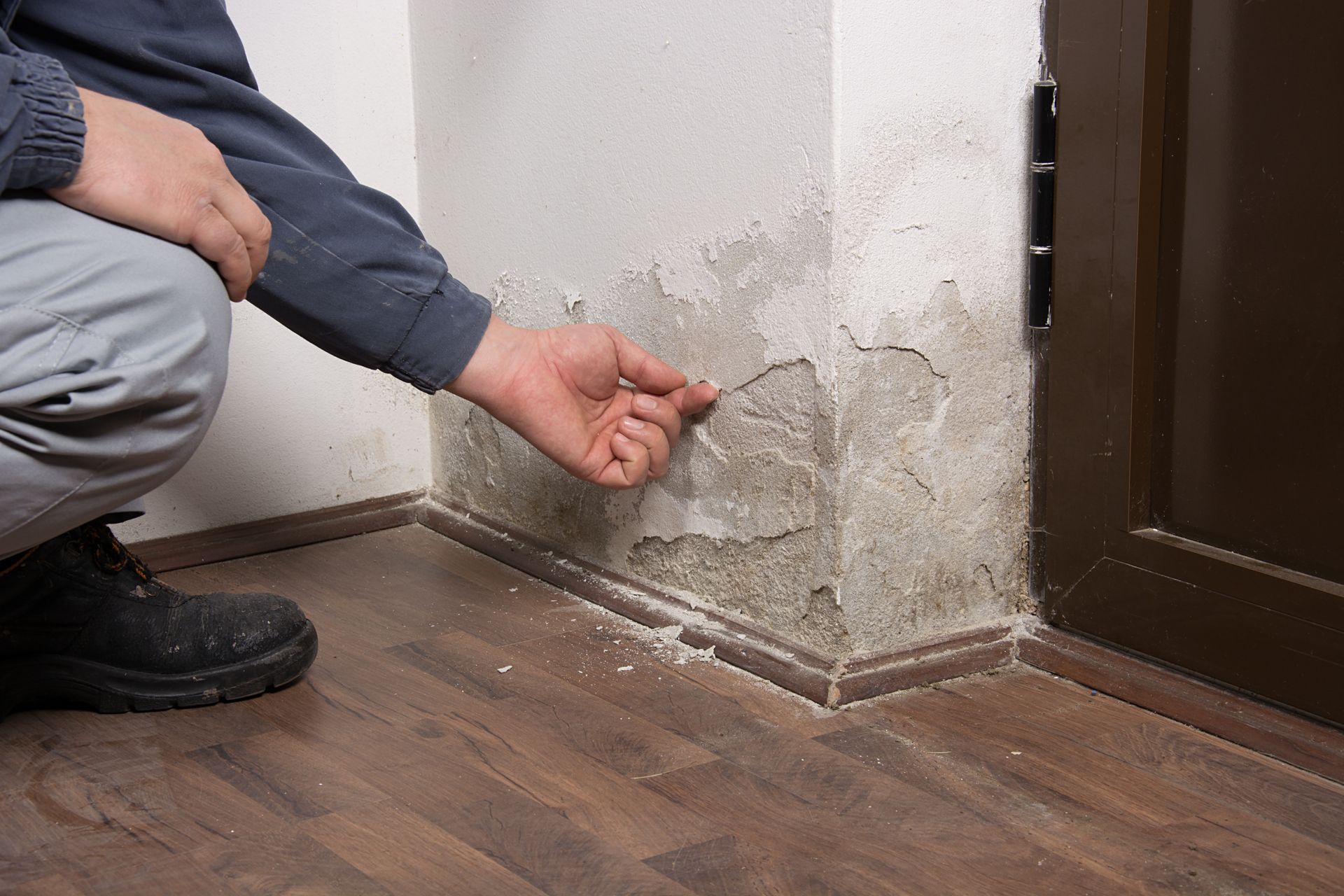
- Fix Leaks and Dampness: Repair any water leaks, damp walls, or roofs promptly. Mould thrives in moist environments, so it is essential to address the underlying causes.
- Control Humidity: Use dehumidifiers in areas prone to dampness, such as basements and laundry rooms, to keep humidity levels below 50%. Avoid drying clothes indoors as it increases moisture in the air.
- Proper Insulation: Ensure your home is adequately insulated to prevent condensation and reduce the likelihood of mould growth.
If you discover mold in your home, it is crucial to take immediate action:
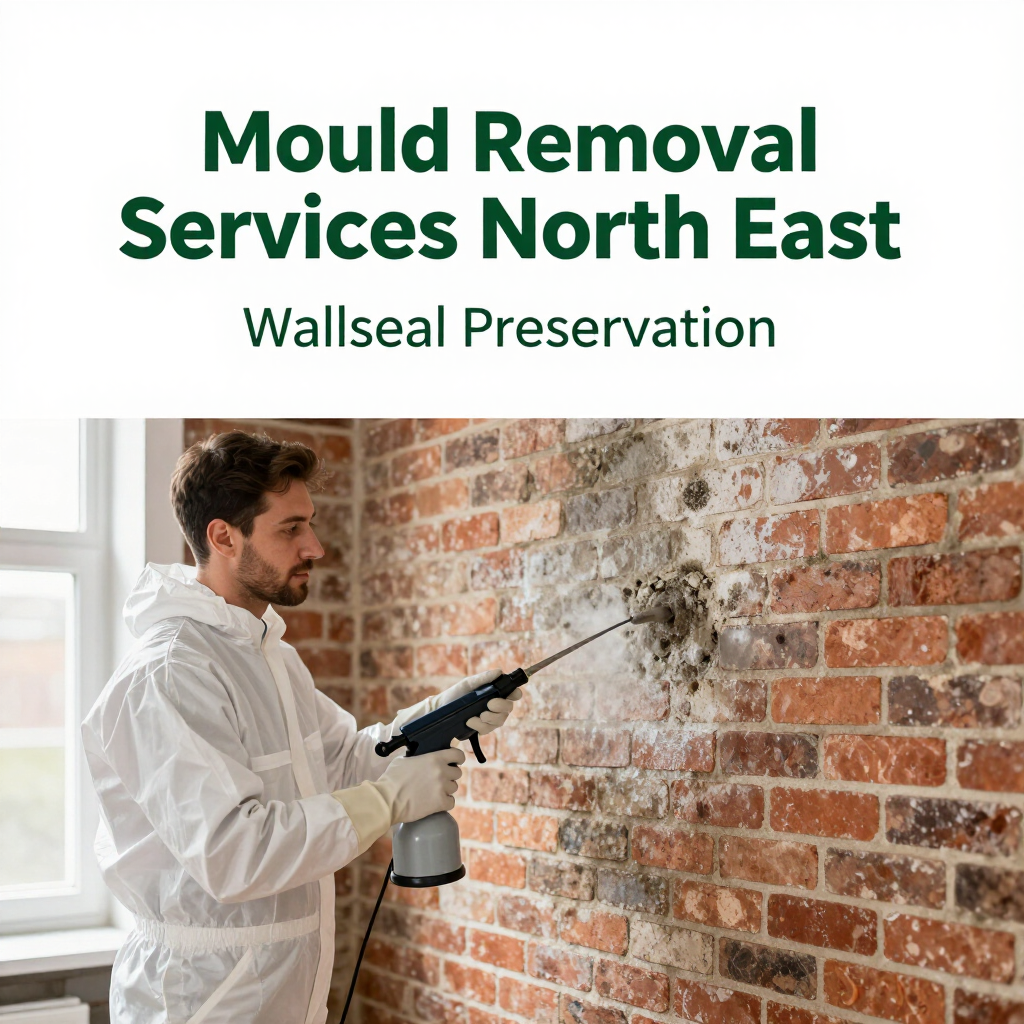
- Remove Visible Mould: Small areas of mold growth can be cleaned with a mixture of water and detergent. However, it is advisable to wear protective gloves and a mask to avoid inhaling spores during the cleaning process.
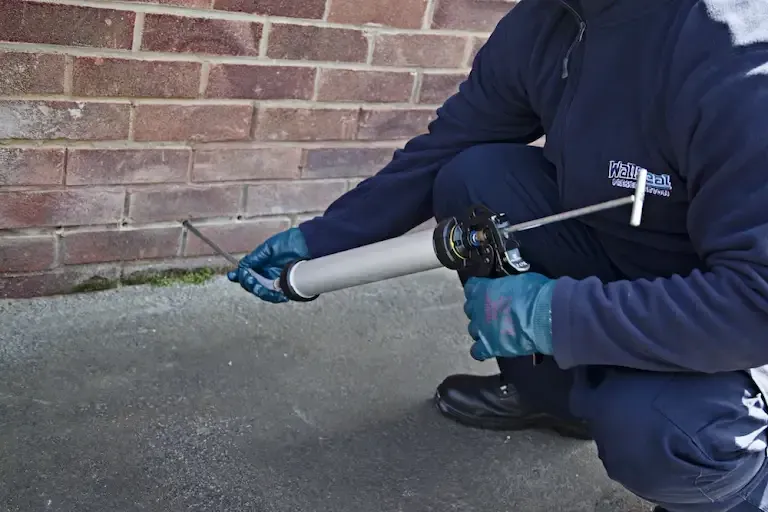
- Seek Professional Help: For extensive mould infestations or if you have underlying respiratory conditions, it is best to consult professionals who specialize in mold remediation.
Conclusion
Mould, a common problem in one out of every five UK homes, poses significant risks to our respiratory health. It can trigger allergic reactions, worsen asthma symptoms, cause respiratory infections, and even lead to toxic effects. To protect ourselves and our loved ones, it is crucial to address and prevent mould growth by maintaining proper ventilation, fixing leaks, controlling humidity levels, and seeking professional help when needed. By taking these preventive measures, we can create healthier living environments and safeguard our respiratory well-being.