


How to Tell the Difference Between Rising Damp, Penetrating Damp & Condensation
How to Tell the Difference Between Rising Damp, Penetrating Damp & Condensation
Damp is one of the most common problems faced by UK homeowners, yet it is also one of the most misunderstood. Many people notice peeling wallpaper, black mould or damp patches and immediately assume they have rising damp. In reality, the issue could be condensation, penetrating damp, or something entirely different.
Correctly identifying the type of damp affecting your property is essential because each problem requires a different treatment approach. Misdiagnosing damp can lead to unnecessary costs, ineffective repairs and ongoing structural issues.
In this guide, we explain the key differences between rising damp, penetrating damp and condensation, helping you understand what signs to look for and when to seek professional help.
Structural damp occurs when unwanted moisture enters or forms within a building, often leading to mould growth, damage to plaster and timber deterioration if left untreated.
What is Rising Damp?
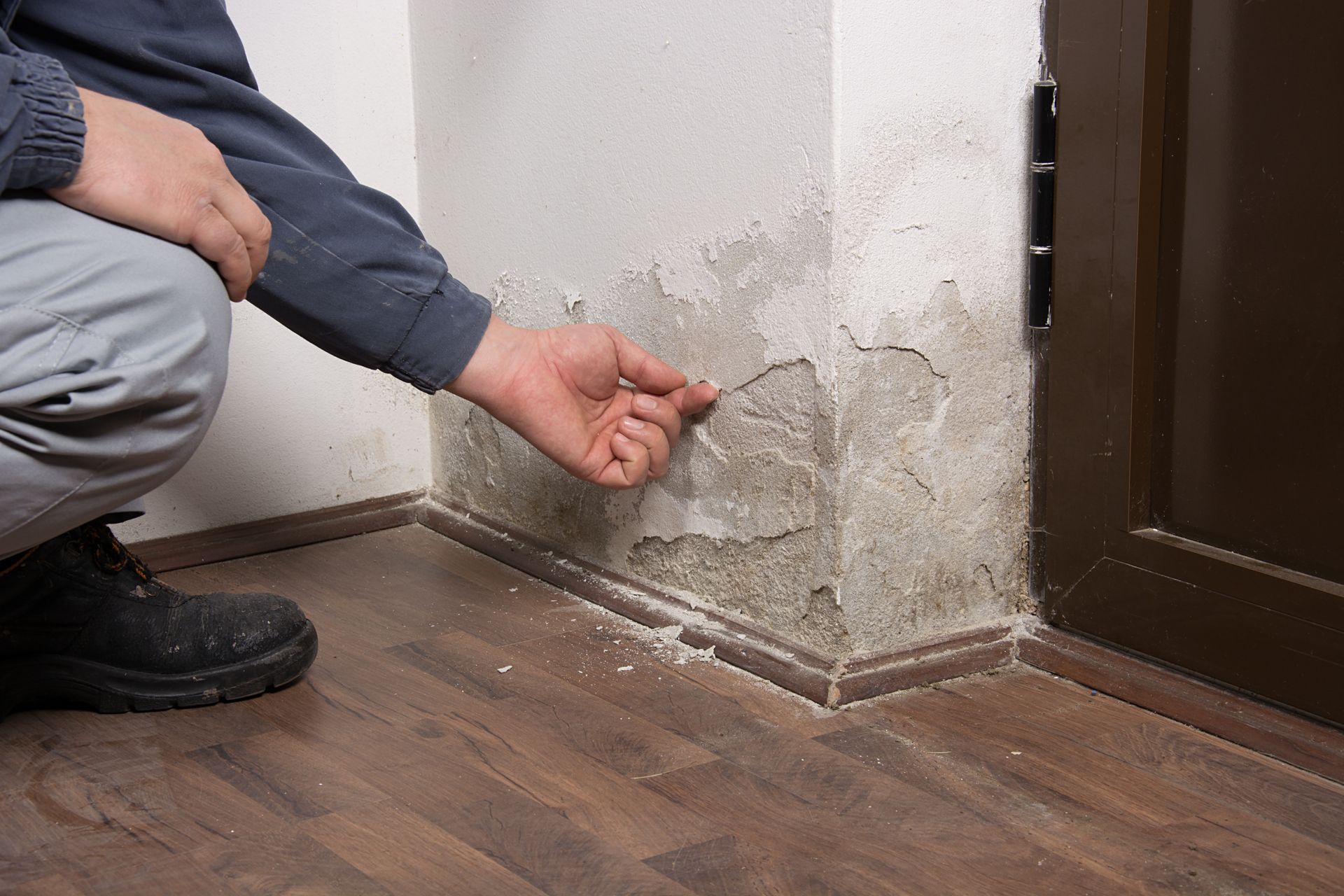
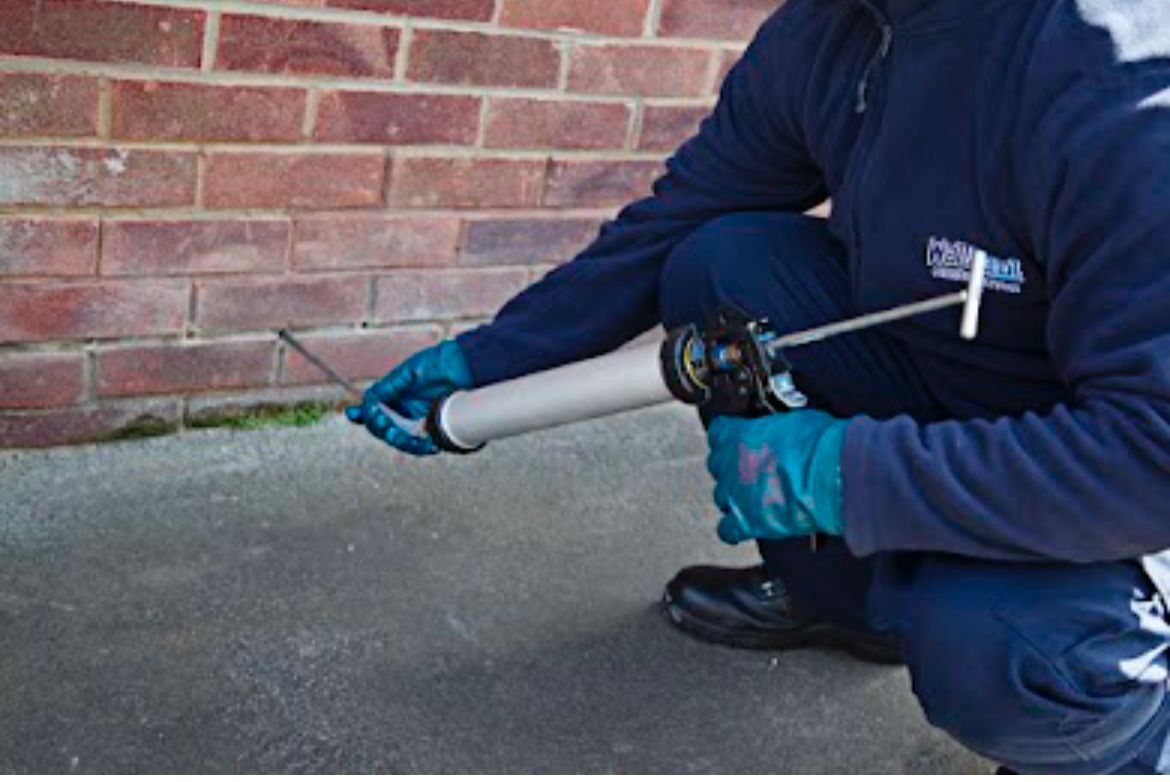
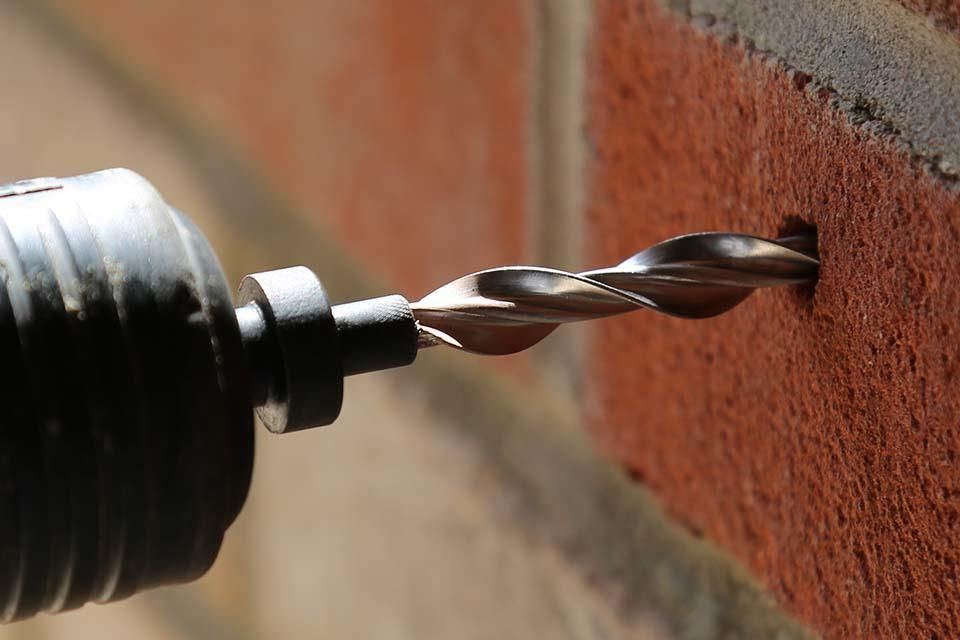
Rising damp occurs when groundwater travels upwards through brickwork and masonry by capillary action. This usually happens when a damp proof course (DPC) has failed, been damaged or does not exist at all.
- Although rising damp is less common than condensation, it can cause serious long-term damage to walls, skirting boards and flooring if ignored.
- Common Signs of Rising Damp
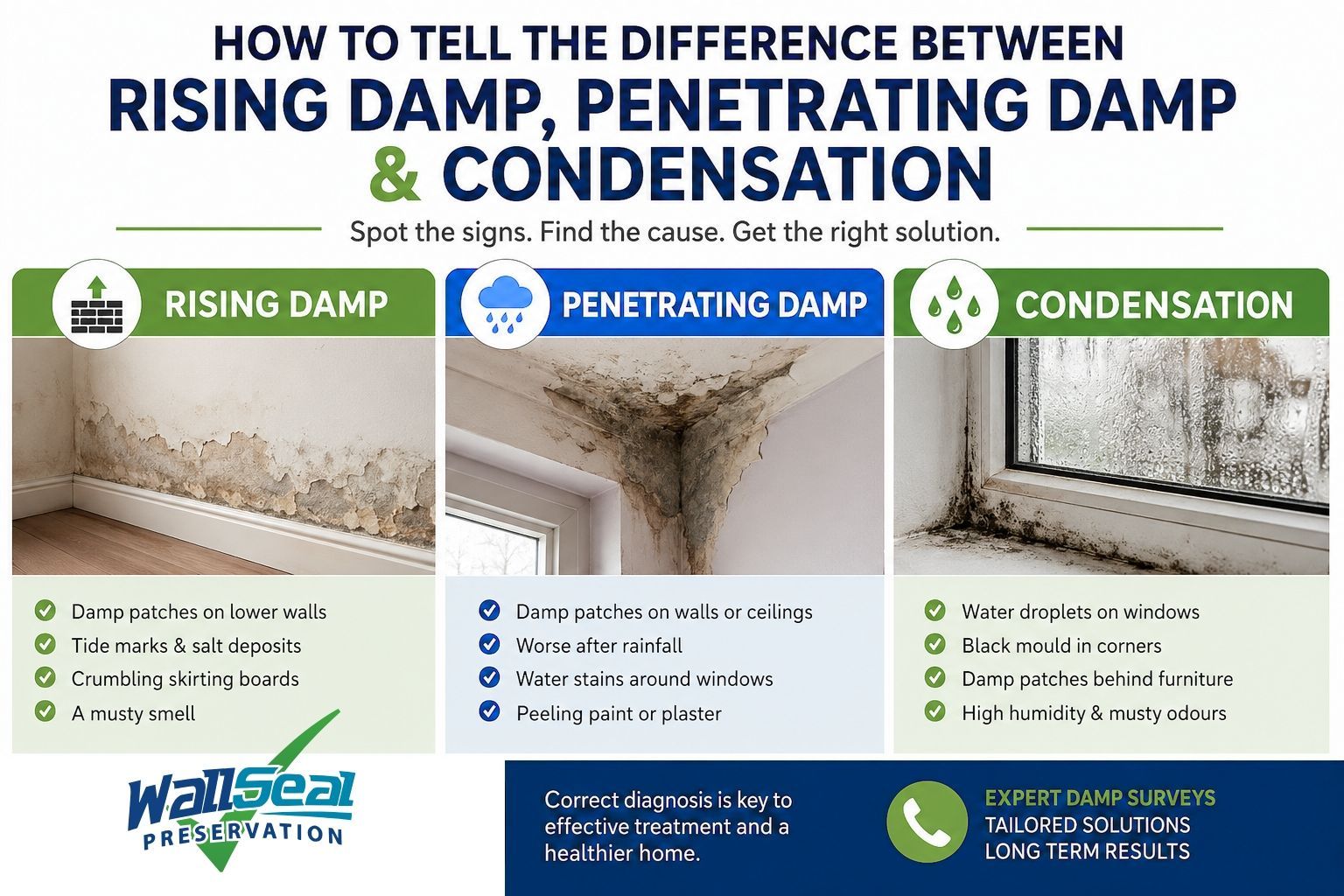
- Damp patches appearing on the lower sections of walls
- Tide marks or staining on plaster
- Crumbling skirting boards
- Peeling paint or wallpaper
- White salt deposits on walls
- A musty smell
- Cold, damp walls to the touch
Rising damp is usually limited to the lower metre of a wall because moisture rises from ground level.
Common Causes of Rising Damp
- Failed damp proof course
- Bridged DPC caused by raised external ground levels
- Older properties with no original DPC
- Damaged brickwork or mortar joints
Professional damp surveys are often required to properly diagnose rising damp because it is frequently confused with condensation.
What is Penetrating Damp?
Penetrating damp occurs when water enters the building from outside. Unlike rising damp, it can appear anywhere on walls or ceilings depending on where the water ingress occurs.
This type of damp is usually linked to defects in the building’s exterior.
- Common Signs of Penetrating Damp
- Damp patches on walls or ceilings
- Wet walls after rainfall
- Bubbling plaster or paint
- Mould growth in isolated areas
- Water staining around chimneys or windows
- External brickwork deterioration
Penetrating damp often worsens during periods of heavy rain, making seasonal changes an important clue when diagnosing the issue.
Common Causes of Penetrating Damp
- Leaking gutters or downpipes
- Cracked render or damaged brickwork
- Faulty roofing or flashing
- Cavity wall issues
- Poorly sealed windows and doors
Unlike condensation, penetrating damp is usually localised to one area rather than spread throughout the property.
What is Condensation?
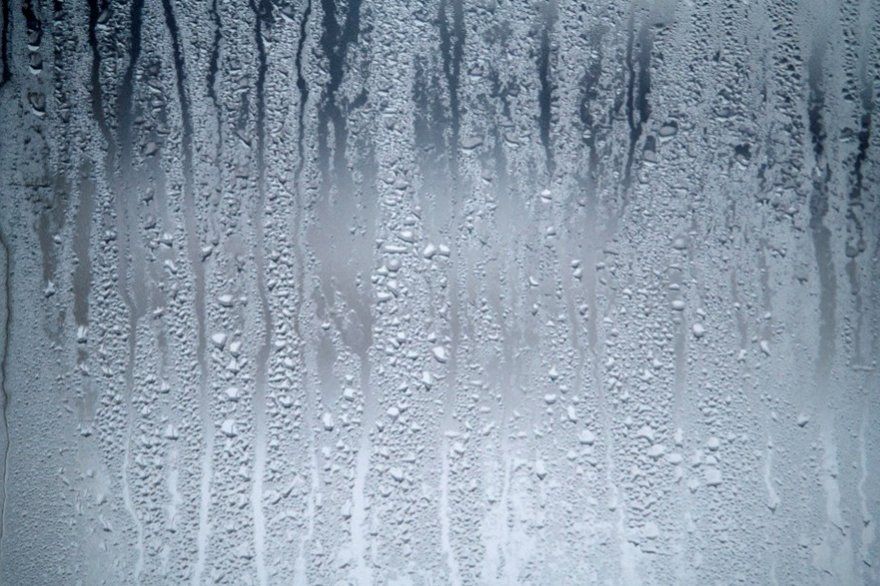
Condensation is the most common form of damp found in UK homes. It occurs when warm, moisture-filled air comes into contact with colder surfaces, causing water droplets to form.
Modern lifestyles often increase indoor moisture levels through cooking, showering, drying clothes indoors and poor ventilation.
Common Signs of Condensation
- Water droplets on windows
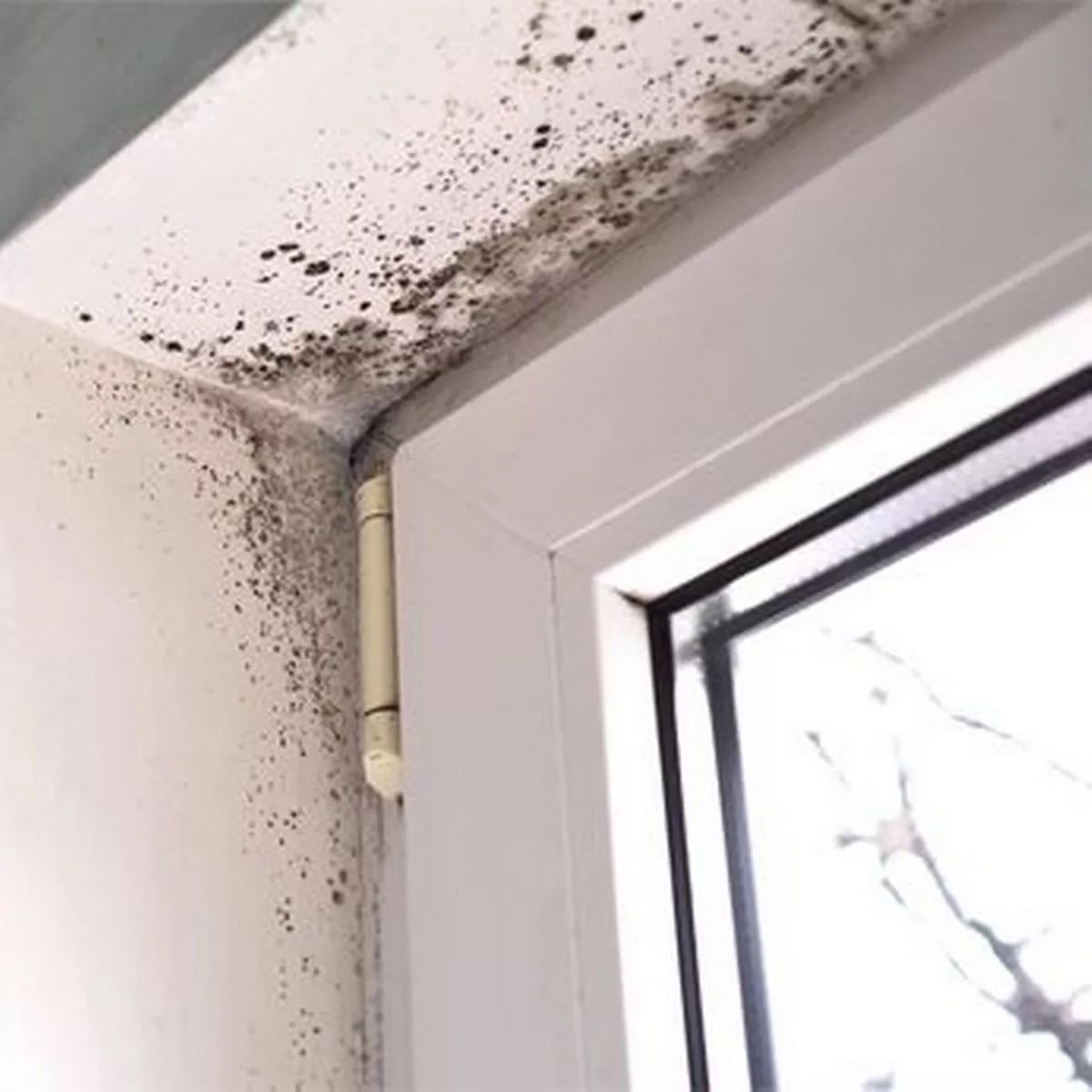
- Black mould around window frames
- Mould behind furniture
- Damp patches in corners of rooms
- Excess humidity indoors
- Musty odours
Condensation is most commonly found in kitchens, bathrooms and bedrooms where moisture levels are highest.
Common Causes of Condensation
- Poor ventilation
- Inadequate heating
- Drying clothes indoors
- Blocked air bricks or extractor fans
- Poor insulation
Condensation can often be improved with better airflow, extractor fans, positive input ventilation systems and consistent heating.
Why Correct Damp Diagnosis Matters
One of the biggest mistakes homeowners make is treating the symptom instead of the cause. Simply repainting over mould or using anti-mould sprays may temporarily improve appearance, but it will not solve the underlying issue.
For example:
- Installing a new damp proof course will not fix condensation.
- Improving ventilation will not stop penetrating damp caused by leaking gutters.
- Replastering walls without addressing rising damp will only lead to recurring damage.
- Professional damp specialists use moisture readings, visual inspections and building analysis to determine the true source of the problem before recommending treatment.
How Damp Can Affect Your Property
Leaving damp untreated can result in:
- Structural timber decay
- Rotting skirting boards and flooring
- Damaged plaster and decorations
- Increased heating costs
- Reduced property value
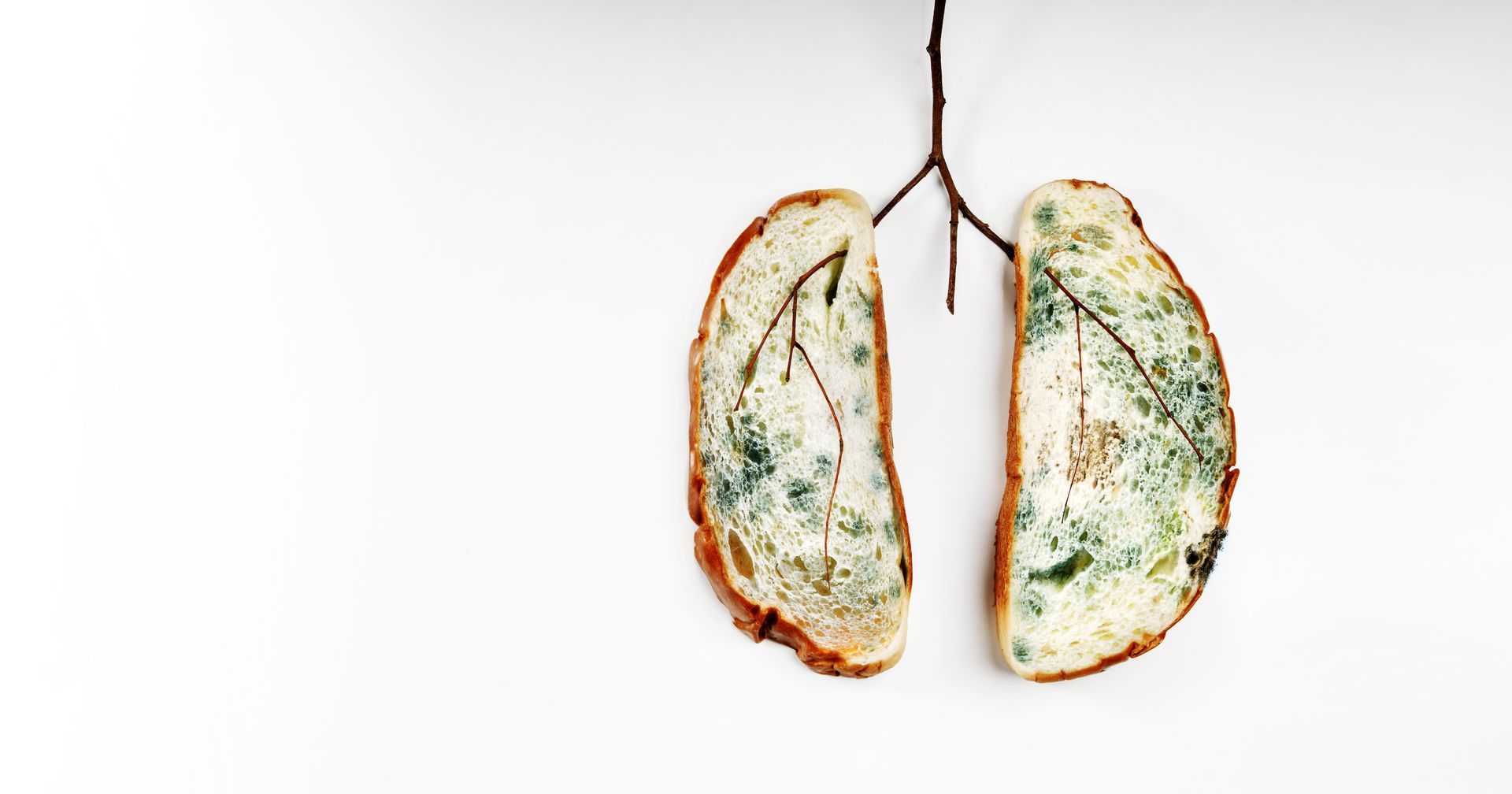
- Mould growth affecting indoor air quality
- Damp and mould can also negatively impact respiratory health, especially for children, elderly occupants and those with asthma or allergies.
When Should You Call a Damp Specialist?
You should seek professional advice if you notice:
- Persistent mould growth
- Recurring damp patches
- Peeling wallpaper or bubbling paint
- Damp smells that do not disappear
- Water ingress after rainfall
- Signs of damage to plaster or timber
A professional survey can identify the exact cause of damp and help prevent unnecessary repair costs later. Get in touch
Can condensation cause mould?
Yes. Condensation creates moisture on cold surfaces, which encourages black mould growth, especially around windows, corners and behind furniture.
Is rising damp dangerous?
Rising damp itself is not usually dangerous, but if left untreated it can lead to timber decay, mould growth and structural damage within the property.
How can I tell if I have rising damp or condensation?
Rising damp usually affects the lower parts of walls and may leave tide marks or salt deposits. Condensation is more common around windows, ceilings and poorly ventilated rooms.
Does damp reduce house value?
Yes. Untreated damp can negatively affect property value and may raise concerns during surveys when selling a home.
Can penetrating damp get worse in winter?
Yes. Heavy rainfall and colder weather can make penetrating damp more noticeable, especially if external defects are allowing water into the building.
Will a dehumidifier fix damp?
A dehumidifier may help reduce moisture caused by condensation, but it will not solve structural issues such as rising damp or penetrating damp.
How long does damp proofing last?
A professionally installed damp proof course can last for decades when correctly applied and maintained.
Should I repaint over damp patches?
No. Damp patches should always be properly diagnosed and repaired first, otherwise the problem is likely to return quickly.
FAQs