

Cavity Wall Tie Failure | Signs & Replacement Guide
Cavity wall ties are a hidden but important part of many homes across Sunderland, Newcastle and County Durham.
Installed between the inner and outer leaves of a cavity wall, wall ties help hold both sections of masonry together and provide stability to the external wall.
Because they are hidden inside the cavity, problems can develop for many years before homeowners realise anything is wrong.
Older properties in particular can suffer from corroded or deteriorating wall ties, and if the problem is left untreated, it can contribute to cracking, movement and damage to the external brickwork.
Wallseal Preservation provides cavity wall tie inspections and replacement services across Sunderland, Newcastle and County Durham, helping homeowners identify potential problems and determine whether remedial work is required.
What Are Cavity Wall Ties?
A cavity wall is normally constructed using two separate layers of masonry:
- An external brick or masonry wall
- An internal block or brick wall
Metal wall ties are installed across the cavity to connect the two leaves together.
Their job is to help the wall act as one stable structure while still maintaining the cavity between the inner and outer sections.
Wall ties are generally hidden from view, which means their condition cannot usually be assessed simply by looking at the outside of a property.
Why Do Wall Ties Fail?
One of the most common causes of wall tie failure is corrosion.
Older wall ties may have been manufactured from materials that become vulnerable to corrosion after decades of exposure to moisture within the cavity.
As the metal corrodes, it can expand.
This expansion can place pressure on the surrounding mortar and brickwork, eventually causing visible cracking.
Other potential issues can include:
- Poor-quality original wall ties
- Inadequate installation
- Incorrect spacing
- Exposure to moisture
- Age-related deterioration
- Previous alterations to the property
- Structural movement
The exact cause should be established before any remedial treatment is recommended.
What Are the Signs of Wall Tie Failure?
Wall tie problems can produce several warning signs.
These may include:
Horizontal Cracking
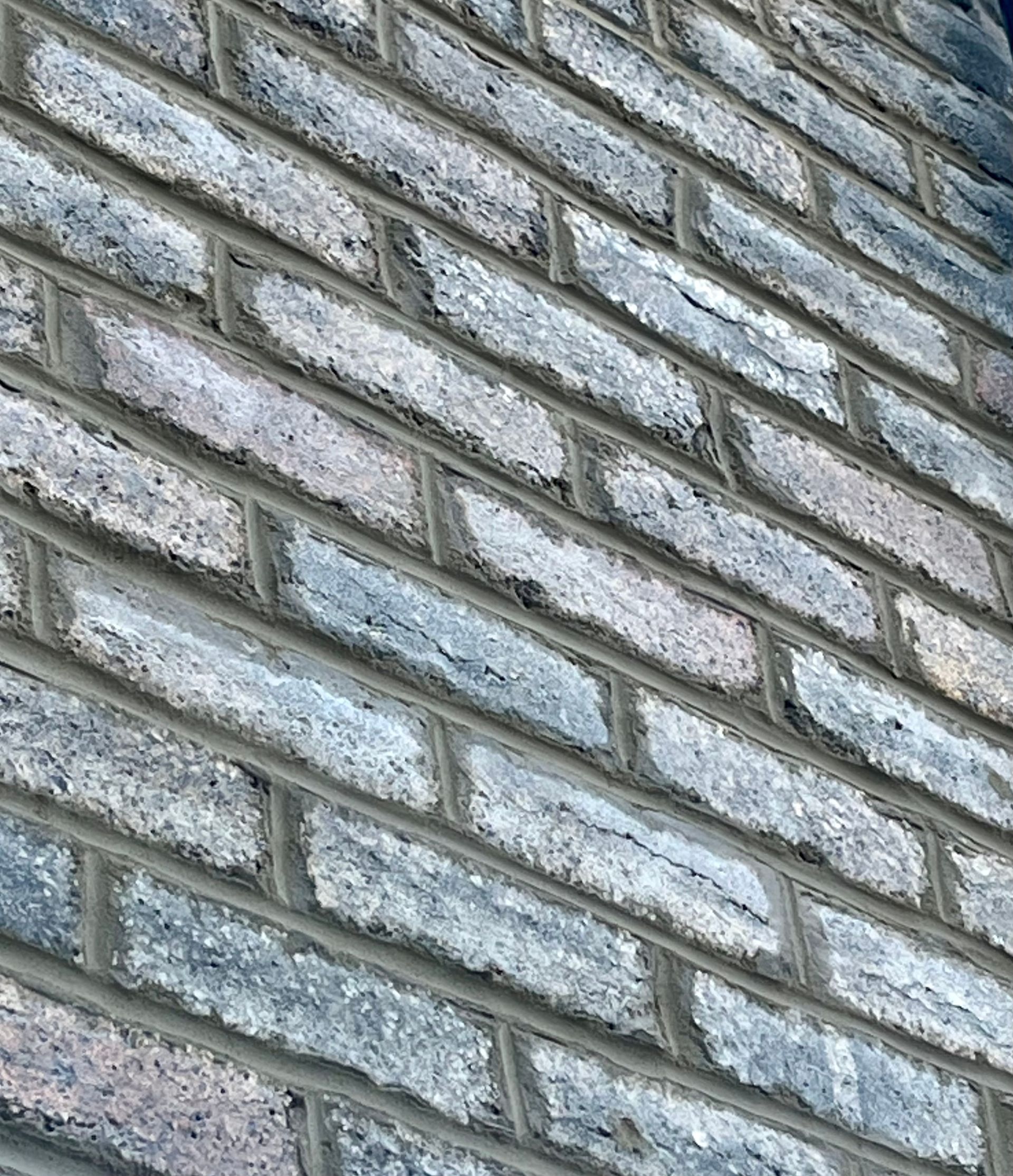
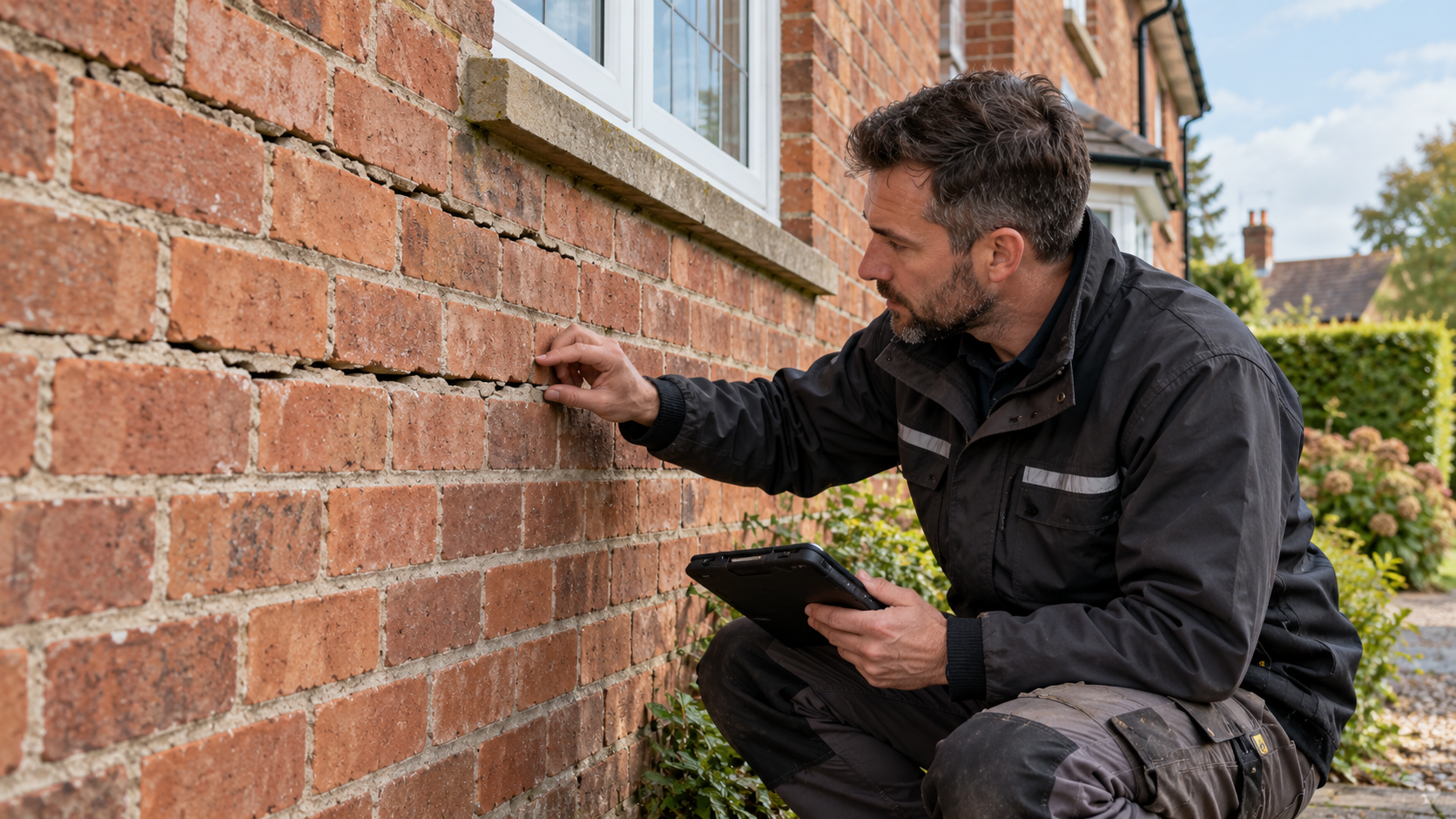
One of the better-known signs of wall tie corrosion is horizontal cracking along mortar joints.
This can occur when a corroding metal wall tie expands and places pressure on the surrounding masonry.
Bulging Brickwork
In more advanced cases, sections of an external wall may begin to bulge or move.
Any visible movement within masonry should be investigated.
Cracks Around Windows or Openings
Cracking can sometimes develop around windows, doors and other areas where the masonry is under additional stress.
Loose or Deteriorating Masonry
Areas of brickwork may become unstable or show signs of deterioration.
Problems Identified During a Property Survey
Wall tie defects are sometimes first raised during a structural survey, mortgage valuation or pre-purchase property inspection.
A surveyor may recommend a specialist wall tie inspection before a property transaction proceeds.
Does Horizontal Cracking Always Mean Wall Tie Failure?
No.
Horizontal cracking can have several possible causes, which is why diagnosis is important.
Cracking may also be associated with:
- Thermal movement
- Settlement
- Structural movement
- Deteriorating mortar
- Previous building alterations
- Other masonry defects
A specialist inspection can help establish whether wall ties are contributing to the problem.
How Are Wall Ties Inspected?
The condition of wall ties may be assessed using a combination of visual inspection and specialist surveying techniques.
The survey may consider:
- Age and construction of the property
- Pattern and location of cracking
- Condition of external brickwork
- Existing wall tie positions
- Signs of corrosion
- Movement within the masonry
- General condition of the cavity wall
Where appropriate, specialist inspection equipment may be used to investigate the wall cavity.
Wallseal Preservation provides free homeowner surveys for a range of structural and property preservation issues, including cavity wall tie problems. Wallseal Preservation
What Happens If Wall Tie Failure Is Confirmed?
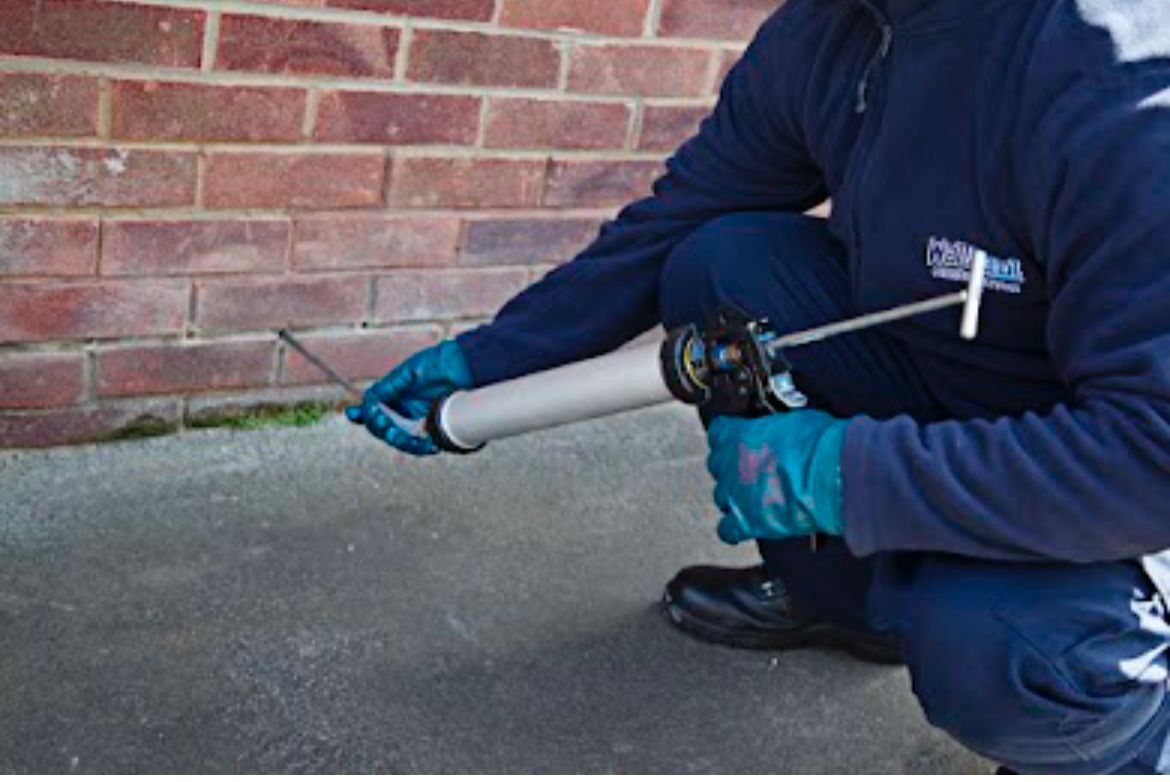
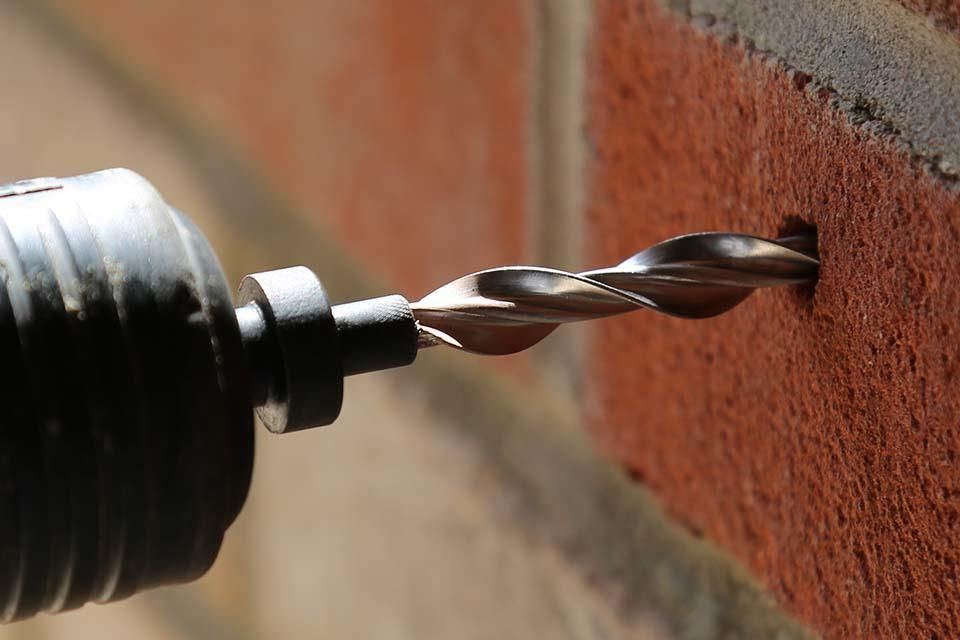
If the existing wall ties have deteriorated, replacement ties can normally be installed into the masonry.
The replacement system is designed to restore the connection between the inner and outer leaves of the cavity wall.
Depending on the property, remedial work may involve:
- Locating the existing wall ties.
- Installing new remedial wall ties.
- Isolating or treating defective existing ties where appropriate.
- Repairing damaged mortar joints.
- Making good affected masonry.
- Addressing any associated cracking or repointing requirements.
Every property should be assessed individually before determining the most appropriate repair method.
Can Wall Tie Failure Cause Structural Problems?
Potentially, yes.
Wall ties play an important role in stabilising cavity walls.
If enough ties deteriorate or fail, the outer leaf of the wall can become less securely connected to the main structure.
That is why suspected wall tie problems should not simply be ignored, particularly where visible cracking or movement is developing.
Early investigation can help identify the extent of the problem before more extensive masonry damage occurs.
Wall Tie Failure and Older North East Properties
Many homes across the North East were constructed during periods when cavity wall construction became increasingly common.
As those properties age, original metal components within the walls can also deteriorate.
This makes wall tie condition particularly relevant when inspecting older properties in areas including:
- Sunderland
- Newcastle upon Tyne
- Washington
- Chester-le-Street
- Durham
- Seaham
- Houghton-le-Spring
- Gateshead
- Surrounding North East communities
The presence of older wall ties does not automatically mean there is a problem, but visible cracking or movement is worth investigating.
Should Wall Ties Be Checked Before Buying a House?
If a building surveyor has raised concerns about cracking, masonry movement or possible wall tie corrosion, a specialist inspection can provide additional information before you commit to the purchase.
This may help establish:
- Whether wall tie failure is present
- The likely extent of the problem
- Whether replacement is required
- Whether associated masonry repairs are needed
- The likely scope of remedial work
Wallseal Preservation also provides pre-purchase and pre-sale property preservation surveys where damp or structural preservation concerns have been identified.
How Long Does Wall Tie Replacement Last?
A correctly installed modern remedial wall tie system is designed to provide a long-term solution.
Wallseal Preservation provides transferable guarantees on qualifying cavity wall tie replacement work, alongside damp proofing and repointing services. Wallseal Preservation
Do Cracks Need Repointing After Wall Tie Replacement?
This depends on the condition of the masonry.
Where corrosion has damaged mortar joints, repointing may form part of the remedial work.
If cracks are more significant, additional masonry repair techniques may also be recommended.
Wallseal provides both wall tie replacement and repointing services, which allows the condition of the wider wall structure to be considered rather than dealing with each defect separately. Wallseal Preservation
When Should You Arrange a Wall Tie Survey?
It is worth seeking specialist advice if you notice:
- Horizontal cracks in mortar joints
- Bulging external brickwork
- Recurring cracks following previous repairs
- Loose or unstable masonry
- Cracking around openings
- Concerns raised during a building survey
- Suspected wall tie corrosion
The earlier the cause is identified, the easier it is to determine the appropriate repair.
Cavity Wall Tie Replacement in Sunderland, Newcastle & County Durham
Wallseal Preservation provides specialist cavity wall tie replacement and structural property preservation services throughout Sunderland, Newcastle and County Durham.
Our team can inspect the affected masonry, investigate the likely cause of cracking or movement and recommend the appropriate remedial solution.
If you are concerned about cracking, bulging brickwork or possible wall tie corrosion, arrange a survey before the problem develops further.
Sunderland: 0191 552 4743
Newcastle: 0191 244 9632
County Durham: 0191 372 9752