



Mould Removal Services North East | Wallseal Preservation
Professional Mould Removal, Damp Diagnosis & Mould Prevention
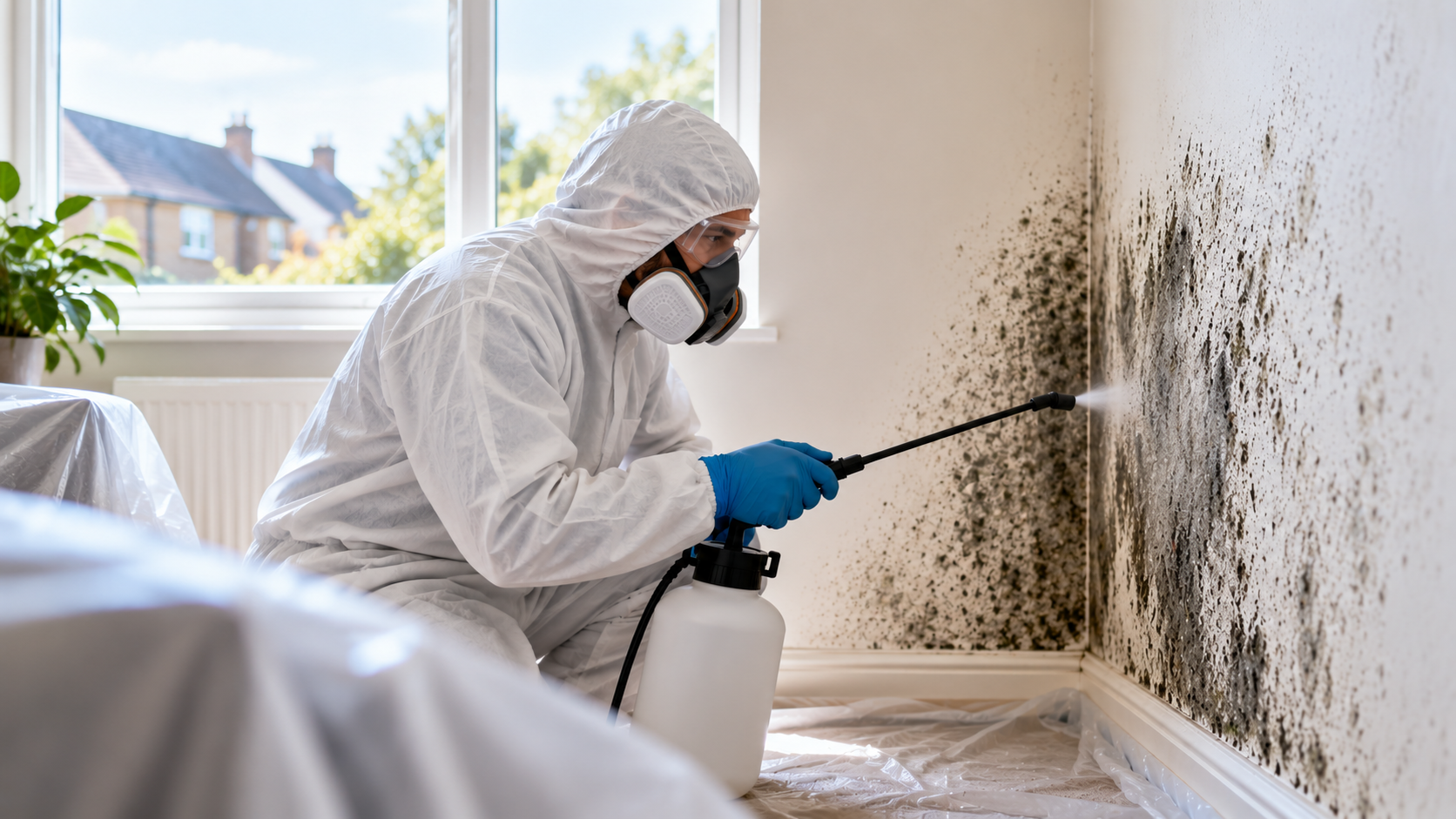
Professional Mould Treatment in Sunderland, Newcastle & County Durham
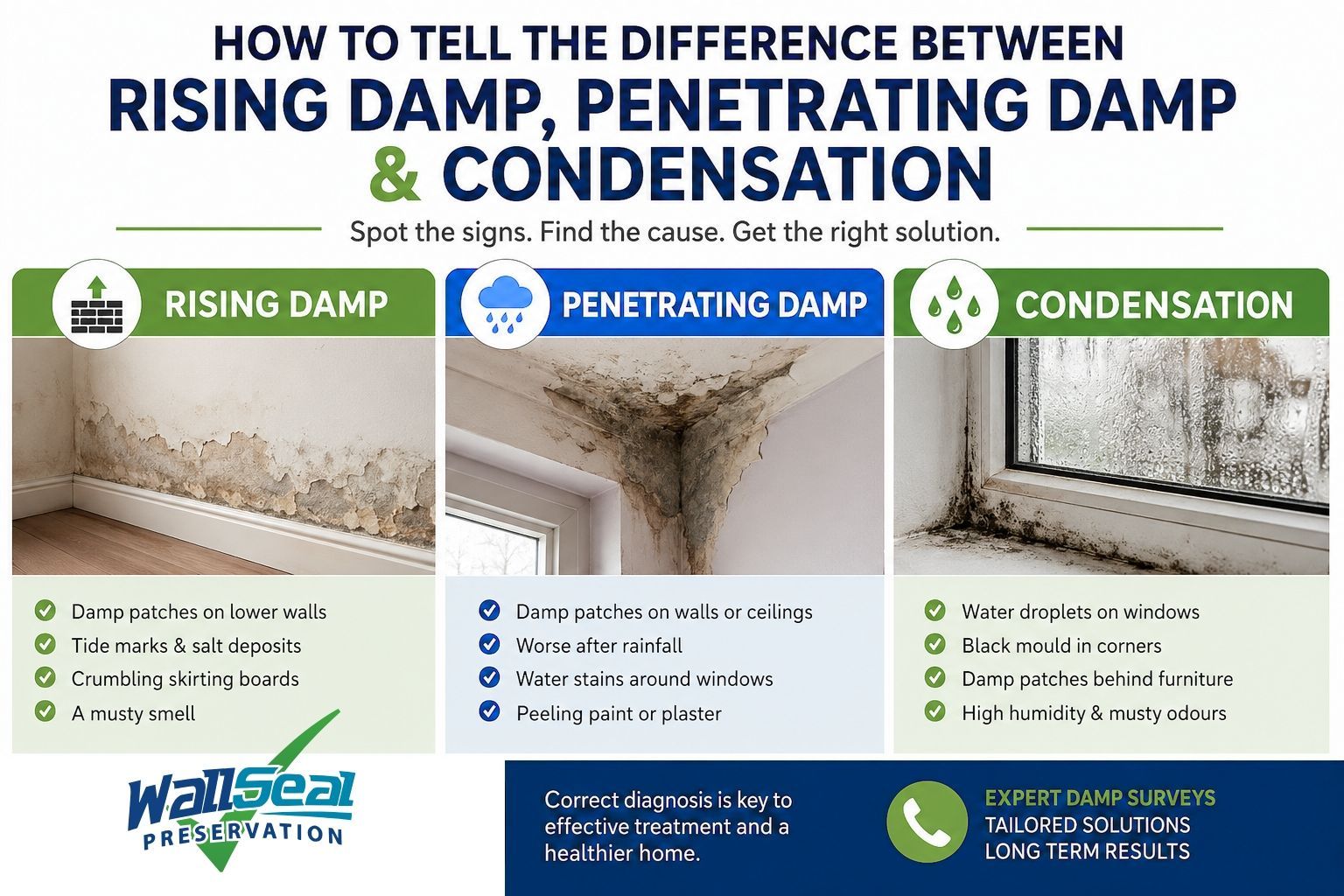
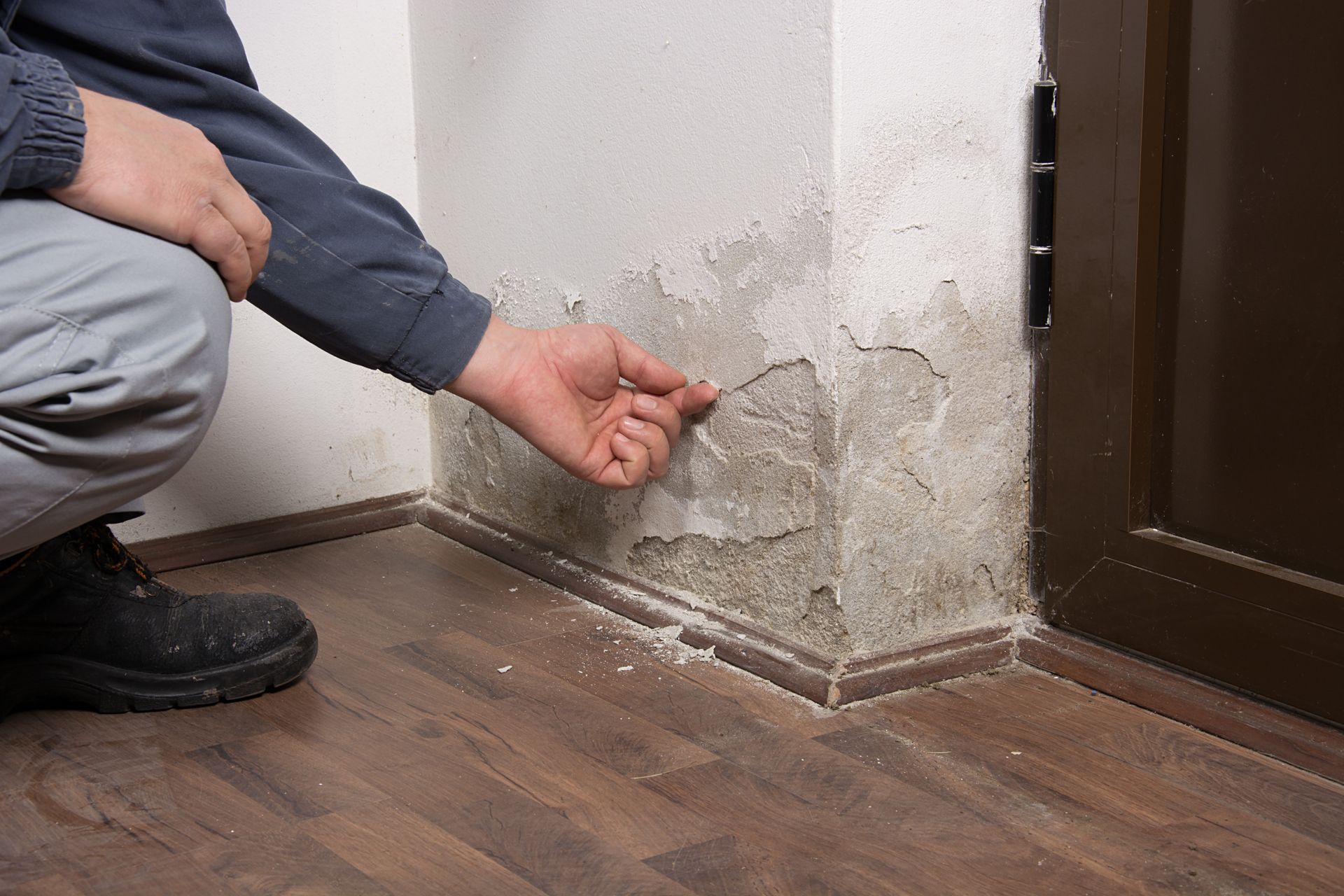
Mould is more than an unsightly mark on a wall. Persistent mould is usually a sign that excess moisture is present within the property, whether caused by condensation, inadequate ventilation, water penetration or another damp-related problem.
Wallseal Preservation provides professional mould removal and mould control services across the North East, including Sunderland, Newcastle upon Tyne and County Durham.
Rather than simply cleaning the visible mould, our approach is to assess the affected area, investigate the likely source of moisture and recommend the appropriate treatment to help prevent the problem from returning.
PROFESSIONAL MOULD REMOVAL
Don't Just Remove the Mould – Find Out Why It's There
One of the most important parts of treating mould is understanding why it has developed in the first place.
Cleaning or painting over visible mould may temporarily improve the appearance of a wall or ceiling, but if the conditions causing the mould remain, it can return.
Common causes include:
- Excess condensation
- Poor ventilation
- High indoor humidity
- Cold walls and surfaces
- Penetrating damp
- Water leaks or water ingress
- Damp within the building fabric
- Inadequate heating and airflow
Wallseal Preservation specialises in property preservation, damp proofing, condensation control and mould control. This means we can look beyond the visible mould and help establish what is creating the conditions in which it is growing.
SIGNS OF A MOULD PROBLEM
Do You Have Mould in Your Property?
Mould can occur in both older and modern properties and is particularly common where warm, moisture-laden air meets colder surfaces.
You may need professional advice if you notice:
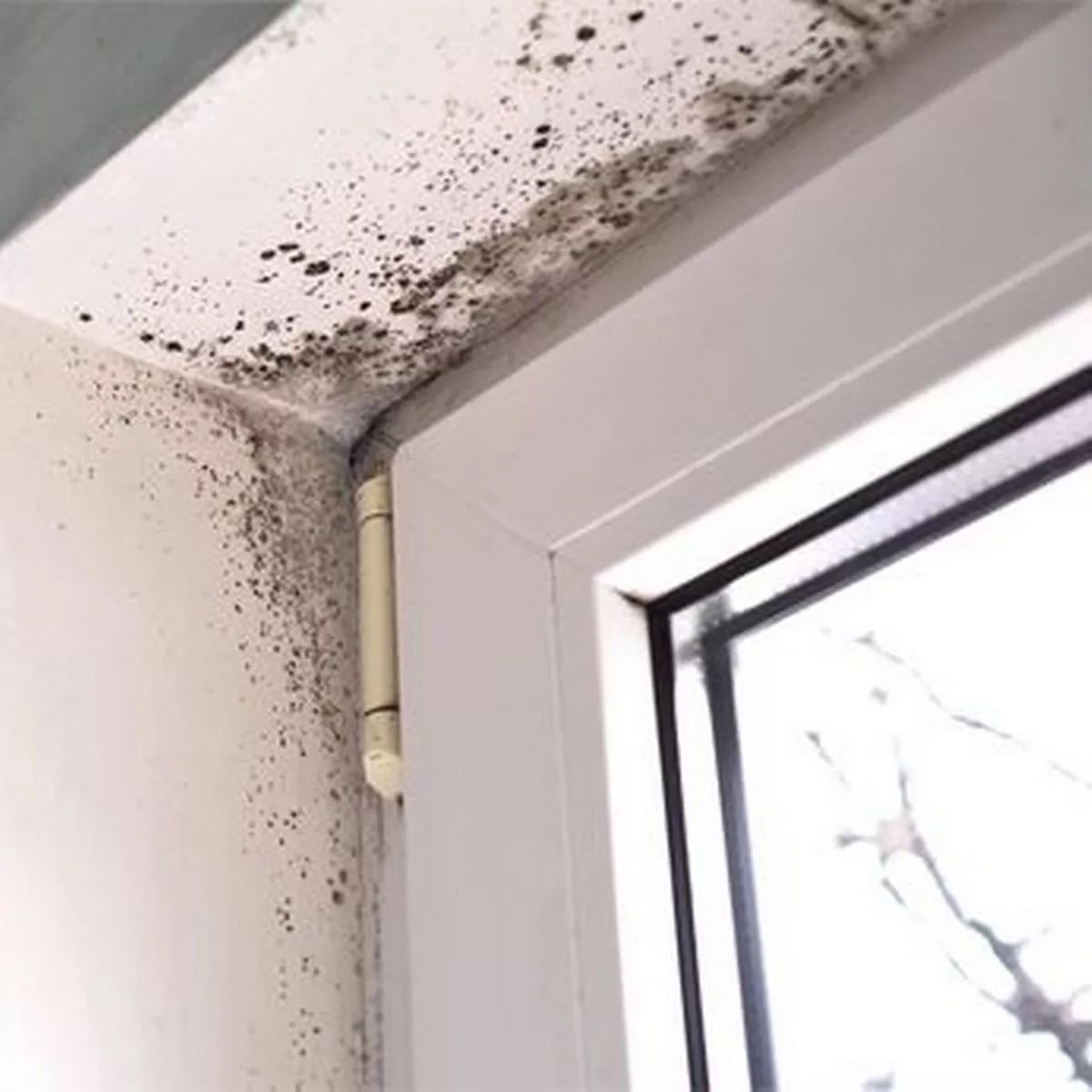
- Black, green or dark patches on walls or ceilings
- Mould around windows
- Mould behind wardrobes or furniture
- Mould in bedrooms
- Mould in bathrooms or kitchens
- Persistent condensation on windows
- Damp or musty smells
- Peeling paint or wallpaper
- Recurring mould after cleaning
- Damp patches alongside mould growth
If you're repeatedly cleaning the same area only for the mould to return, there is likely to be an underlying moisture issue that needs investigating.
OUR MOULD REMOVAL PROCESS
How Does Professional Mould Removal Work?
Every property is different, so the first step should be to establish the extent of the problem and what is causing it.
1. Survey & Assessment
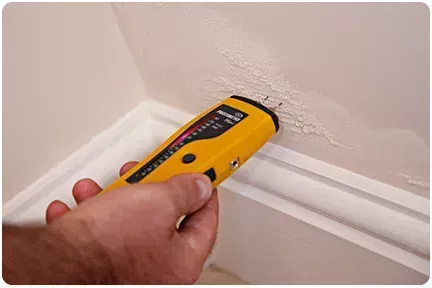
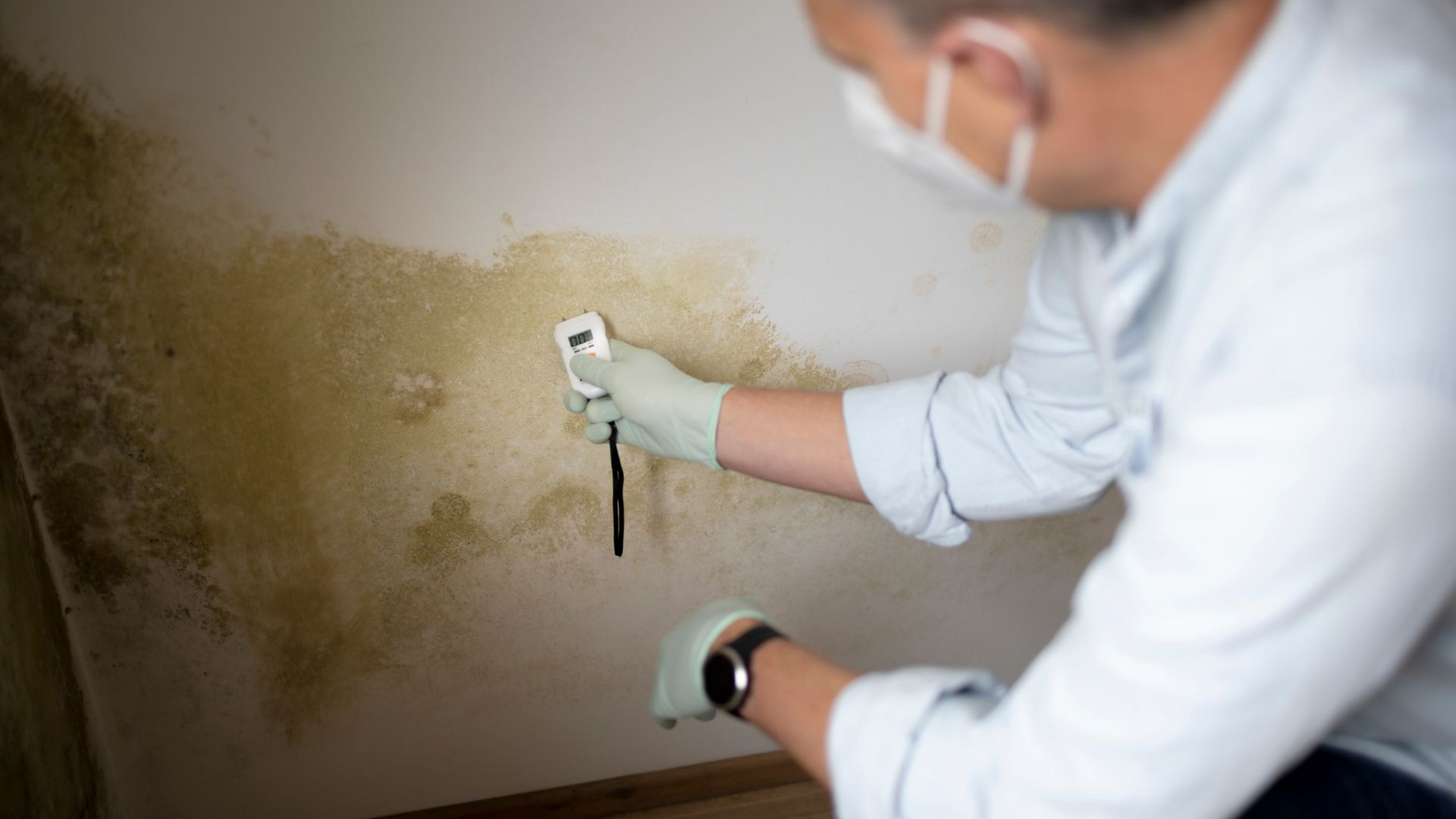
We inspect the affected areas and look for evidence of condensation, damp, moisture ingress and other conditions that could be contributing to mould growth.
2. Identify the Likely Cause
Mould requires moisture to grow. We investigate where that moisture may be coming from rather than treating the visible mould in isolation.
3. Recommend the Correct Treatment
Once the likely cause has been established, we can recommend an appropriate mould control, condensation control or damp treatment solution for the property.
4. Treat the Affected Areas
The mould-affected areas can then be professionally treated using an appropriate method for the surface and extent of the problem.
5. Help Prevent Mould Returning
Where required, we can recommend measures to tackle the conditions behind the mould, including condensation control, improved ventilation or appropriate damp-proofing work.
Survey → Diagnose → Treat → Prevent
BLACK MOULD
Black Mould Removal in Homes
Black mould commonly develops where there is persistent moisture and insufficient airflow. Typical locations include bedrooms, bathrooms, kitchens, window reveals, external walls and areas behind furniture.
Simply wiping black mould from the surface doesn't necessarily resolve the conditions allowing it to grow.
If black mould keeps returning, Wallseal can inspect the property and determine whether condensation, ventilation, penetrating damp or another moisture-related issue could be contributing to the problem.
MOULD AND CONDENSATION
Is Condensation Causing Your Mould?
Condensation is one of the most common reasons for mould growth in residential properties.
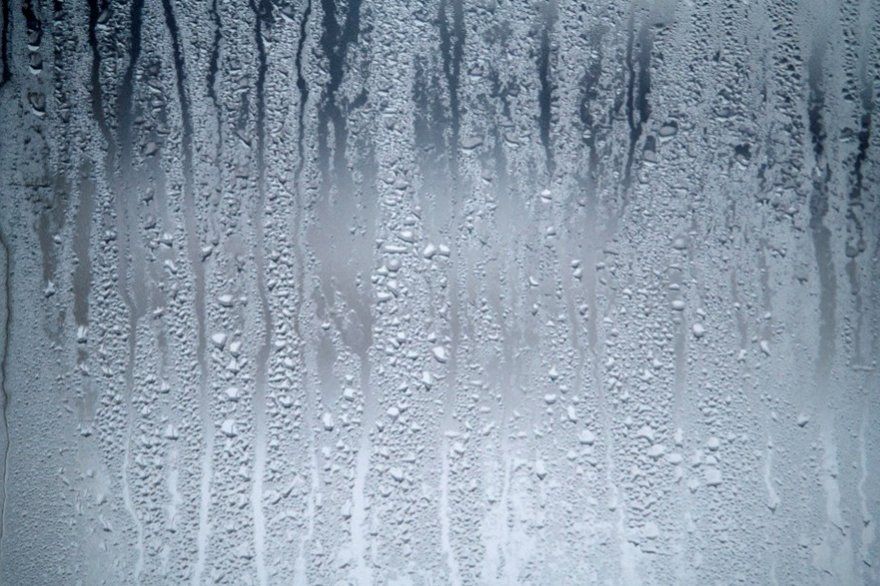
Everyday activities such as showering, cooking, drying clothes and even breathing introduce moisture into the air. When warm, humid air comes into contact with a sufficiently cold surface, condensation can form.
Repeated condensation can create ideal conditions for mould.
- Typical warning signs include:
- Water collecting on windows
- Black mould around window frames
- Mould in corners of bedrooms
- Mould behind furniture
- Damp external walls
- Persistent high humidity
- Mould becoming worse during colder months
Wallseal provides dedicated condensation control services, allowing us to investigate the wider moisture problem rather than simply treating its visible symptoms.
WHY PROFESSIONAL TREATMENT?
Why Choose Professional Mould Removal?
Small areas of surface mould may sometimes appear straightforward to clean, but recurring or widespread mould deserves further investigation.
Aggressively brushing or scrubbing established mould can disturb spores, while decorating directly over mould generally disguises rather than solves the underlying problem.
Professional assessment can help determine:
What is causing the mould?
Is it condensation, ventilation, a leak, penetrating damp or another moisture problem?
How extensive is the problem?
Visible mould may only represent part of the affected area.
What treatment is appropriate?
Different moisture problems require different solutions.
How can it be prevented from returning?
Long-term mould control depends on reducing or eliminating the conditions supporting its growth.
HEALTH & SAFETY
Is Mould Dangerous?
Damp and mould should not be ignored, particularly where mould is extensive, persistent or occurring in frequently occupied rooms.
Exposure to damp and mould can affect indoor air quality and may contribute to respiratory symptoms, allergies and irritation. People with existing respiratory conditions, children, older people and those with weakened immune systems may be particularly susceptible.
If you have significant or recurring mould growth, professional assessment is recommended.
If you are concerned that mould exposure is affecting your health, you should seek appropriate medical advice as well as addressing the condition of the property.
WHY WALLSEAL?
Why Choose Wallseal Preservation?
Wallseal Preservation has over 20 years' experience helping homeowners with damp and property preservation problems throughout the North East.
Our advantage is that we don't look at mould as an isolated cleaning problem. We understand the relationship between mould, condensation, moisture and damp, enabling us to recommend solutions based on the condition of the property.
Your Local North East Specialists
- Over 20 years' property preservation experience
- Mould control specialists
- Condensation control solutions
- Damp proofing expertise
- Local knowledge of North East properties
- Free homeowner surveys
- Insurance-backed guarantees available on qualifying work
- Local teams covering Sunderland, Newcastle and County Durham
AREAS WE COVER
Local Mould Removal Services Across the North East
Wallseal Preservation provides mould removal, mould control and damp-related services throughout the North East.
Mould Removal Sunderland
Professional mould assessment and treatment for homes and properties throughout Sunderland and the surrounding areas.
Call Sunderland: 0191 552 4743
Mould Removal Newcastle
Mould control, condensation assessment and damp diagnosis for properties throughout Newcastle upon Tyne and surrounding areas.
Call Newcastle: 0191 244 9632
Mould Removal County Durham
Professional mould and moisture investigation throughout County Durham.
Call County Durham:
0191 372 9752
Mould Removal FAQs
What causes mould in a house?
Mould develops where sufficient moisture is present. Common causes include condensation, high humidity, inadequate ventilation, water leaks and penetrating damp. Identifying the source of the moisture is an important part of preventing mould from returning.
Why does mould keep coming back after I clean it?
Cleaning removes visible mould but may not change the conditions causing it. If a wall remains cold and damp or the room continues to experience excessive condensation, mould can develop again.
Can I just paint over mould?
Painting directly over active mould is unlikely to solve the problem. The mould should be appropriately treated and, importantly, the cause of the excess moisture should be investigated before redecorating.
Is black mould dangerous?
Mould can adversely affect indoor air quality and may cause or aggravate respiratory and allergic symptoms in some people. Persistent or widespread mould should therefore be taken seriously and the underlying moisture problem investigated.
Is professional mould removal safe?
Professional mould treatment should involve assessing the affected area and selecting a treatment appropriate to the surface and extent of contamination. Wallseal will explain the proposed treatment and any precautions required before work begins.
Do I need to leave my home during mould treatment?
This depends on the extent and location of the mould and the treatment required. For some work, access to the affected room may need to be restricted temporarily. We will explain any requirements before treatment starts.
How long does mould removal take?
This depends on the size of the affected area, severity of the mould and whether additional work is needed to address condensation or damp. Following an assessment, we can advise what work is required.
Does bleach permanently remove mould?
Surface cleaning may make mould less visible, but it doesn't necessarily address the moisture conditions that allowed the mould to develop. Recurring mould should be investigated to determine its underlying cause.
Will a dehumidifier stop mould?
A dehumidifier can help reduce airborne moisture, but it isn't necessarily a complete solution. If excess moisture is being caused by poor ventilation, penetrating damp, a leak or another building defect, that issue may also need addressing.
Can condensation cause black mould?
Yes. Persistent condensation can leave walls, ceilings and window areas sufficiently damp for mould to develop. Bedrooms, bathrooms, kitchens and poorly ventilated areas are particularly susceptible.
How do I stop mould from coming back?
The most effective approach is to control the moisture supporting mould growth. Depending on the property, this could involve improving ventilation, controlling condensation, repairing leaks or addressing an underlying damp problem.
Can Wallseal identify what is causing my mould?
Yes. Our property preservation experience means we can assess the affected area and investigate common causes including condensation and damp before recommending an appropriate course of action.
Worried About Mould in Your Home?
Don't keep cleaning the same mould only for it to return.
Wallseal Preservation can assess the affected areas, investigate the likely source of moisture and recommend the appropriate treatment to help protect your home.