




Damp & Mould Guide for Newcastle, Sunderland & Durham
Damp or mould in your home? Start here
If you've spotted a stain, a musty smell or black spots on a wall, you're not alone. Damp and mould are common in North East homes, from Victorian terraces in Newcastle to post-war semis in Sunderland and older stone cottages across County Durham. The good news is that most problems can be solved once you know what is actually causing them. This guide walks you through the signs, the likely causes, what a damp survey checks and how to choose the right treatment.
Common signs of damp and mould
- Tide marks or staining on walls, often low down or around windows and ceilings
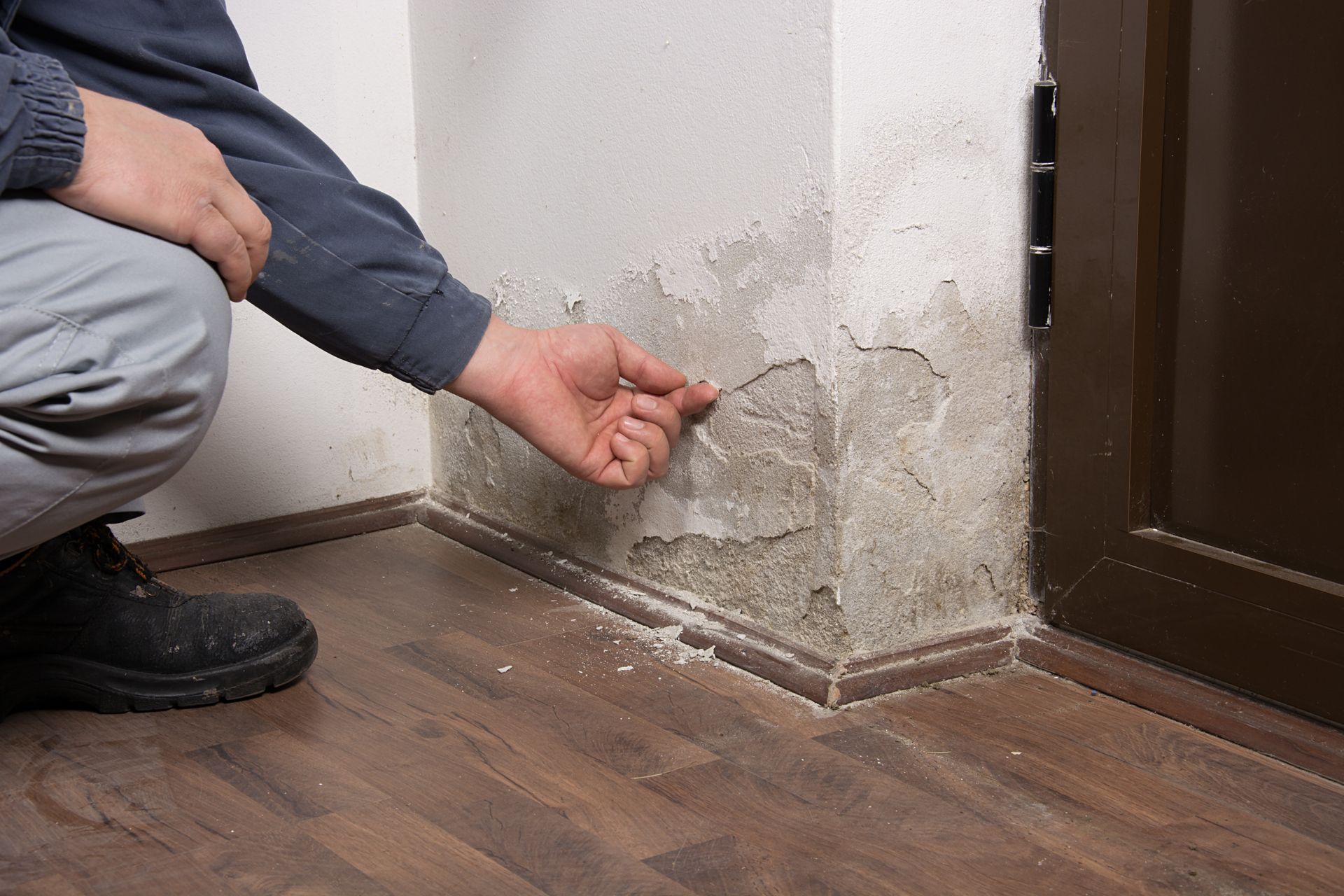
- Peeling paint, bubbling wallpaper or powdery white salts on plaster
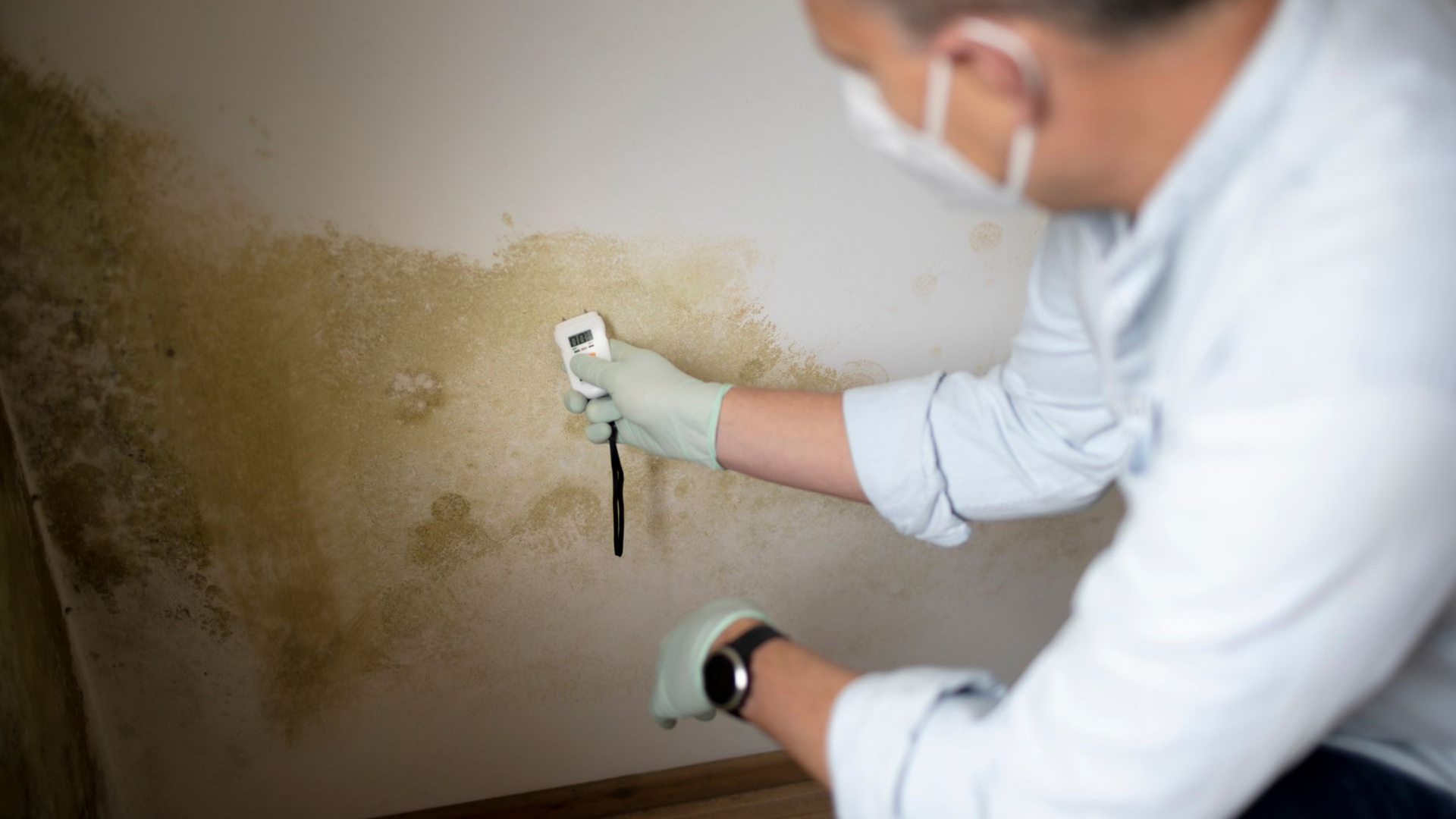
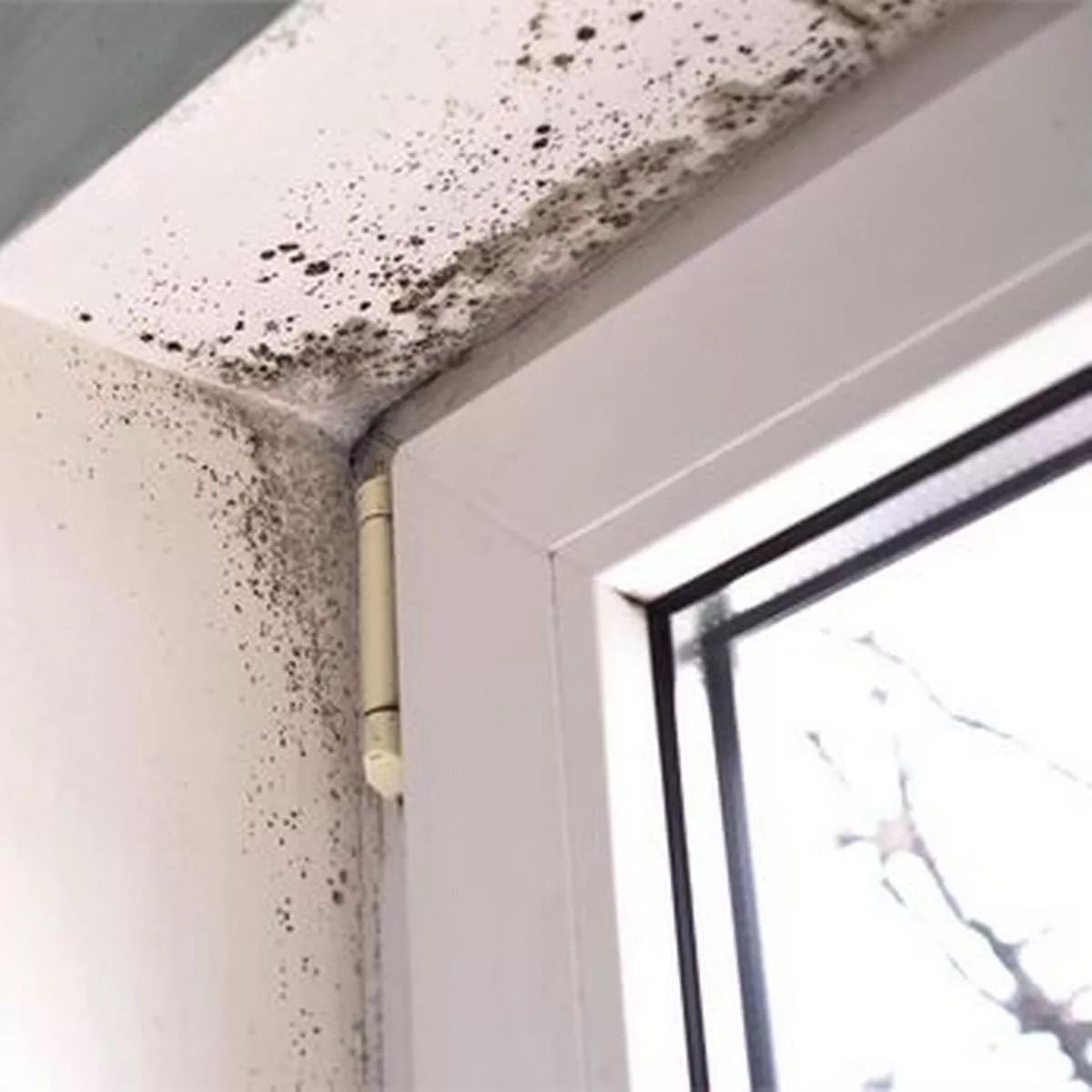
- Black or green mould in corners, behind furniture or around window frames
- A persistent musty smell, even after cleaning
- Condensation running down windows or cold walls that feel damp
- Skirting boards, floorboards or timber that look soft, dark or crumbly
The main causes of damp
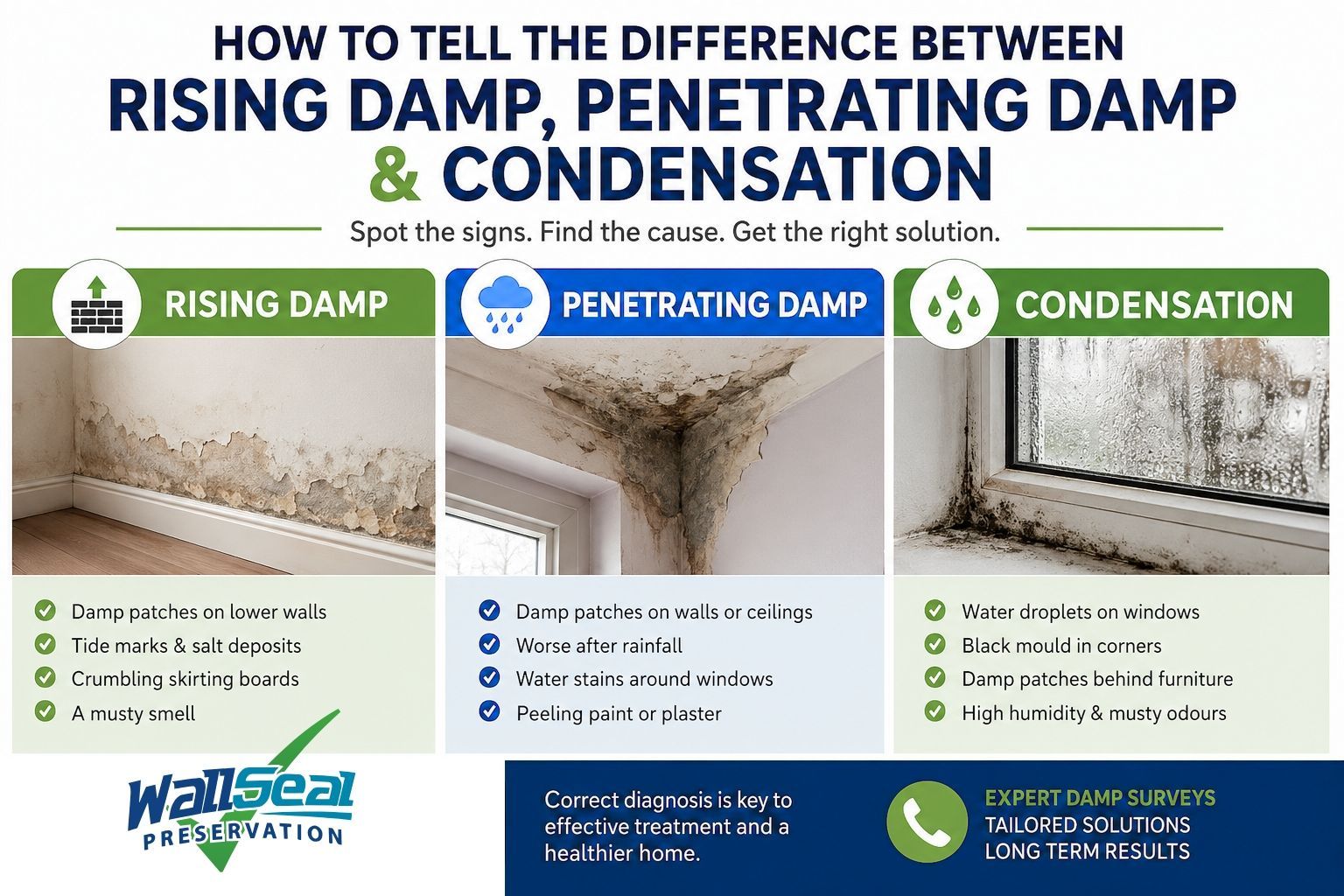
Rising damp
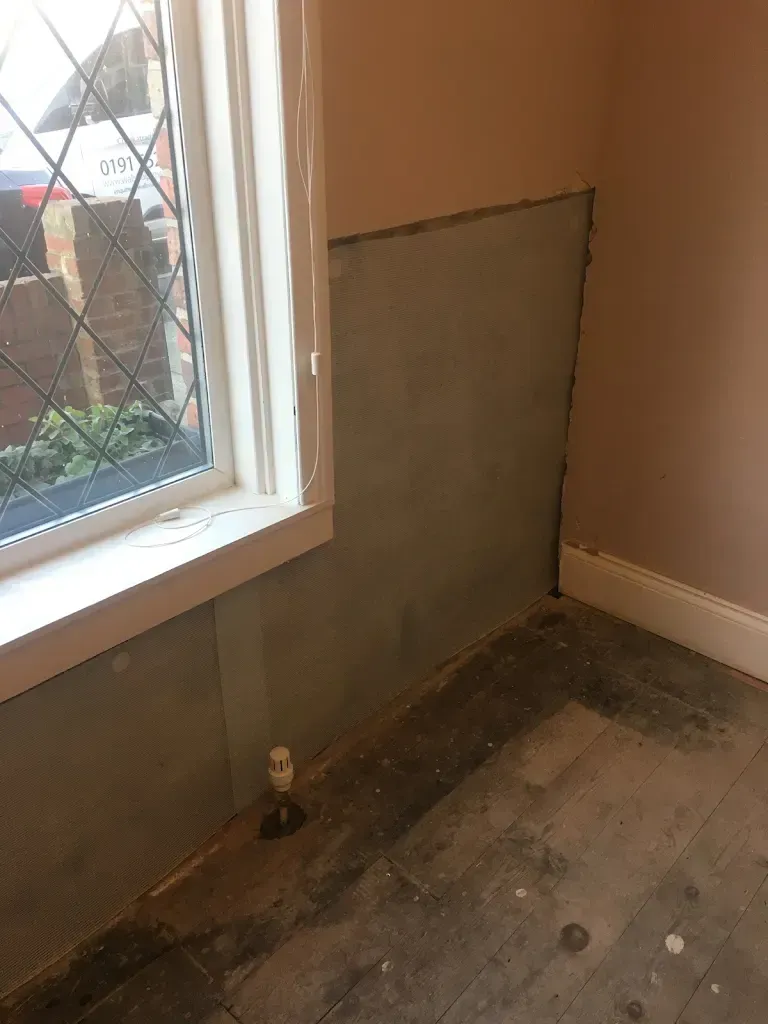
Groundwater travels up through masonry when the damp proof course is missing, bridged or has failed. It usually shows as a tide mark up to around a metre high on ground floor walls, with salts and damaged plaster or skirting.
Penetrating damp
Water gets in from outside through faulty gutters, leaking pipes, cracked render, poor pointing or defective windows and doors. Patches tend to appear after rain and can show on walls or ceilings at any height.
Condensation
Everyday moisture from cooking, showers and drying clothes settles on cold surfaces when ventilation is poor. It is the most common cause of mould, and it often appears in bathrooms, bedrooms and north-facing rooms.
What a damp survey checks
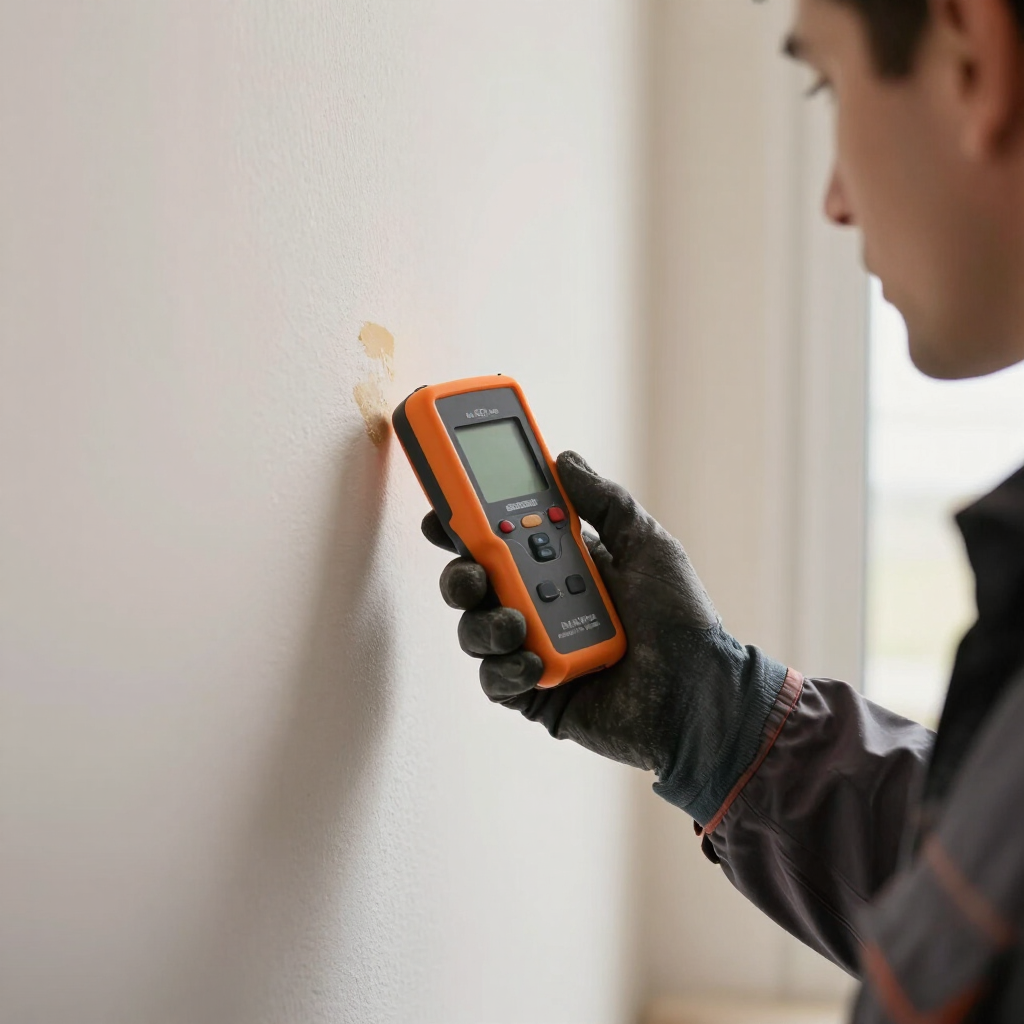
A proper damp survey is about finding the cause before anyone recommends a treatment. If you're searching for a damp survey in Sunderland, Newcastle or Durham, here is what a good inspection should cover:
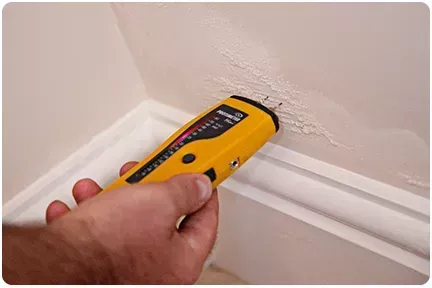
- Moisture readings taken across walls, floors and ceilings to map where the moisture is and how severe it is
- Outside checks of gutters, downpipes, brickwork, pointing, render and ground levels
- Damp proof course condition, including any bridging by soil, render or building work
- Ventilation and heating in each room, including extractor fans and airflow
- Timber condition such as joists, floorboards and skirting, looking for signs of decay
- Plaster and finishes to see what needs replacing after the cause is fixed
You should come away with a clear explanation of what is wrong, what is not, and what work is genuinely needed. Our guide to damp surveys and damp proofing companies in Sunderland explains the difference in more detail.
When you may need damp proofing
Damp proofing in Newcastle, Sunderland and Durham is usually needed when the building itself is letting moisture in. Typical situations include:
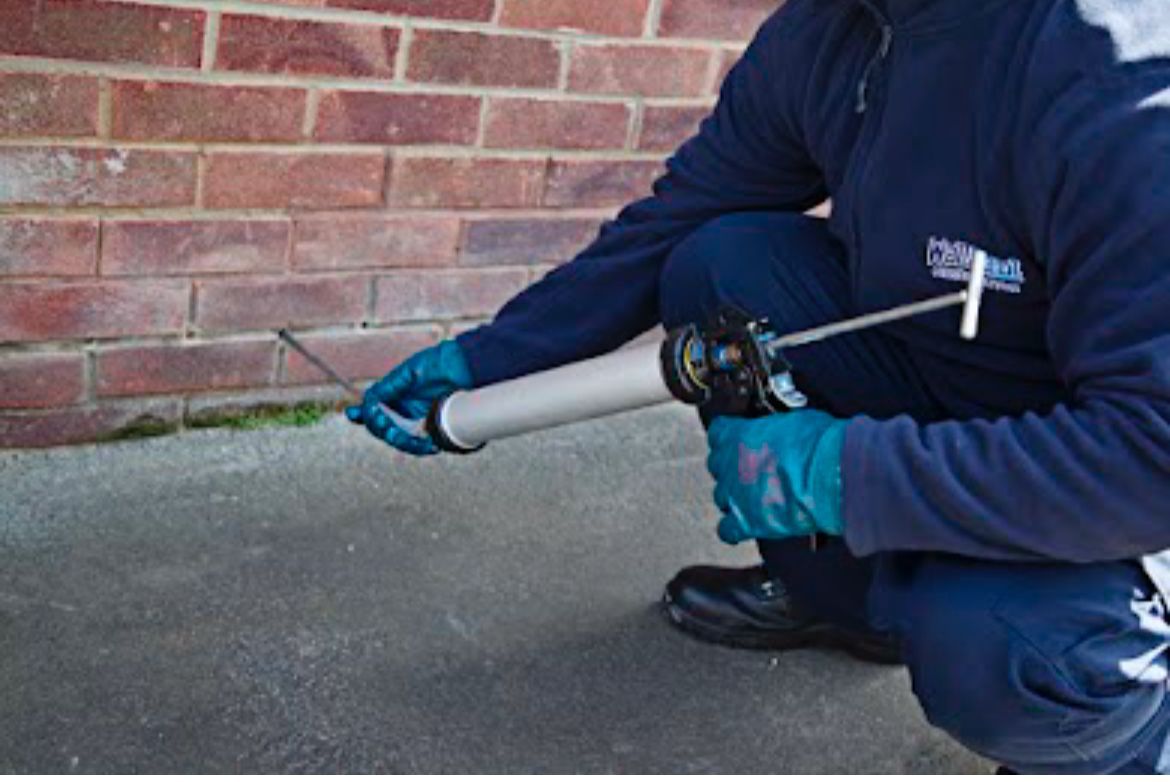
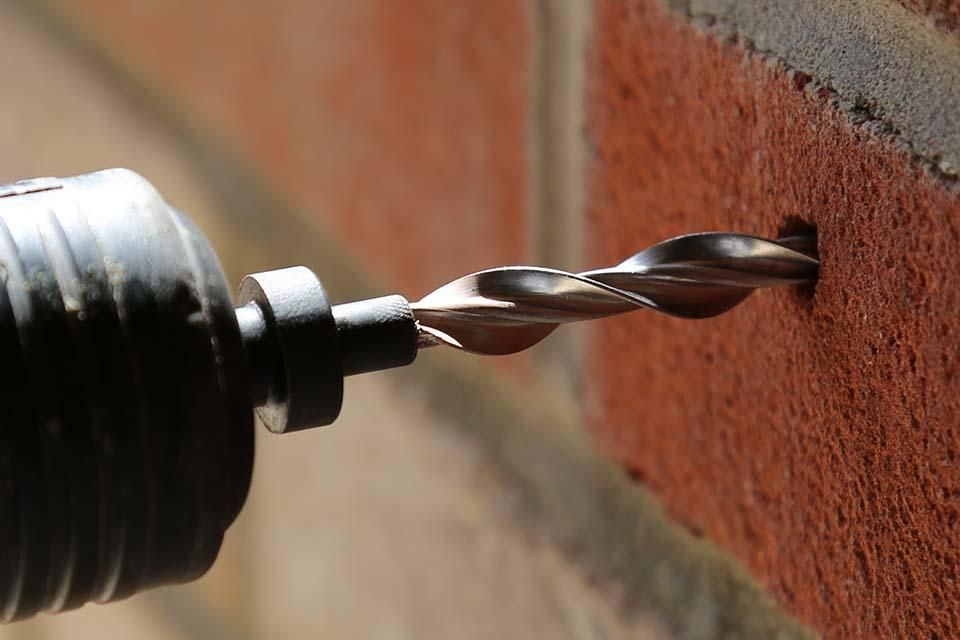
- Rising damp where the damp proof course has failed, which may call for a new chemical damp proof course and replastering
- Penetrating damp that repairs to gutters, pointing or render have not fully resolved
- Damp basements or cellars that need waterproofing before being used as living space
- Wall damage where salts and moisture have ruined old plaster
The right solution depends on the property. Age, wall construction and local conditions all matter, so treatment should always be tailored rather than one-size-fits-all.
When mould treatment is the answer
Mould treatment in Newcastle and the wider North East is usually needed when mould keeps coming back after cleaning, or when it covers a large area. Wiping it away deals with the symptom only. Effective treatment means:
- Identifying why the area stays damp, whether that is condensation, a leak or rising or penetrating damp
- Treating and removing the mould safely
- Fixing the cause, for example with better ventilation or repairs
- Redecorating once the surface is dry
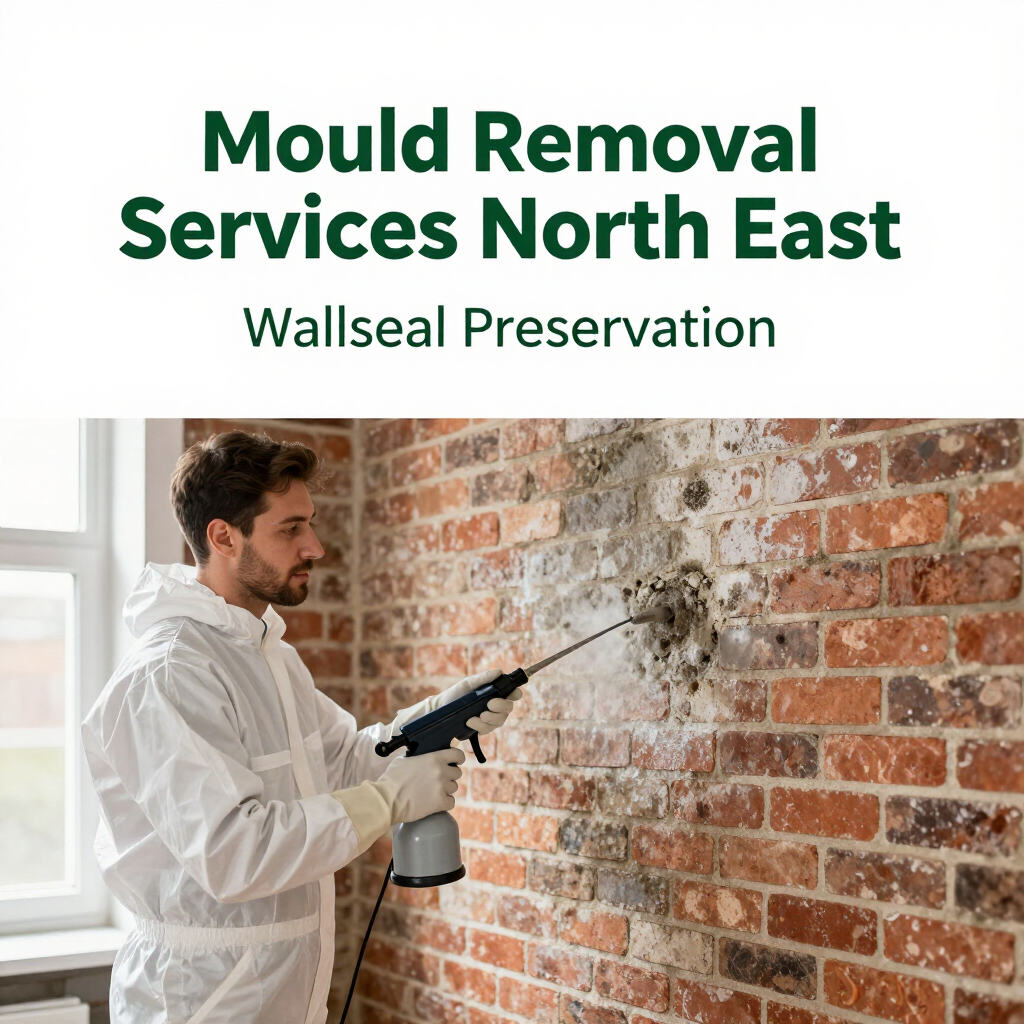
Find out more about our mould removal services across the North East. If anyone in the home has breathing problems, it's worth acting sooner rather than later.
Quick guide: which treatment fits?
- Low tide marks, salts, damaged skirting: likely rising damp, so book a survey and consider damp proofing
- Patches after heavy rain, stains on ceilings or chimney breasts: likely penetrating damp, so check the outside of the building first
- Black spots in corners, wet windows, no obvious leak: likely condensation and mould, so look at ventilation and mould treatment
- Not sure: get a survey so the cause is confirmed before you spend money
Frequently asked questions
Do I need a damp survey before damp proofing?
Yes, it's the sensible first step. Many damp problems turn out to be condensation or a simple leak, and a survey makes sure you only pay for work that is actually needed.
Can I just paint over damp or mould?
No. Paint hides the stain but does not fix the cause, and the problem will usually return. Treat the source first.
Is mould always caused by damp proofing issues?
Not always. Condensation from everyday living is a very common cause, and ventilation improvements often make the biggest difference.
Which areas do you cover?
Wallseal Preservation covers Sunderland and the surrounding areas, including Newcastle and County Durham.
Book a free damp survey with Wallseal Preservation
If you're dealing with damp or mould, our team can help you find the cause and recommend the right fix for your property. Get in touch to book your free survey and get the problem sorted properly.